Home / Editorial guide

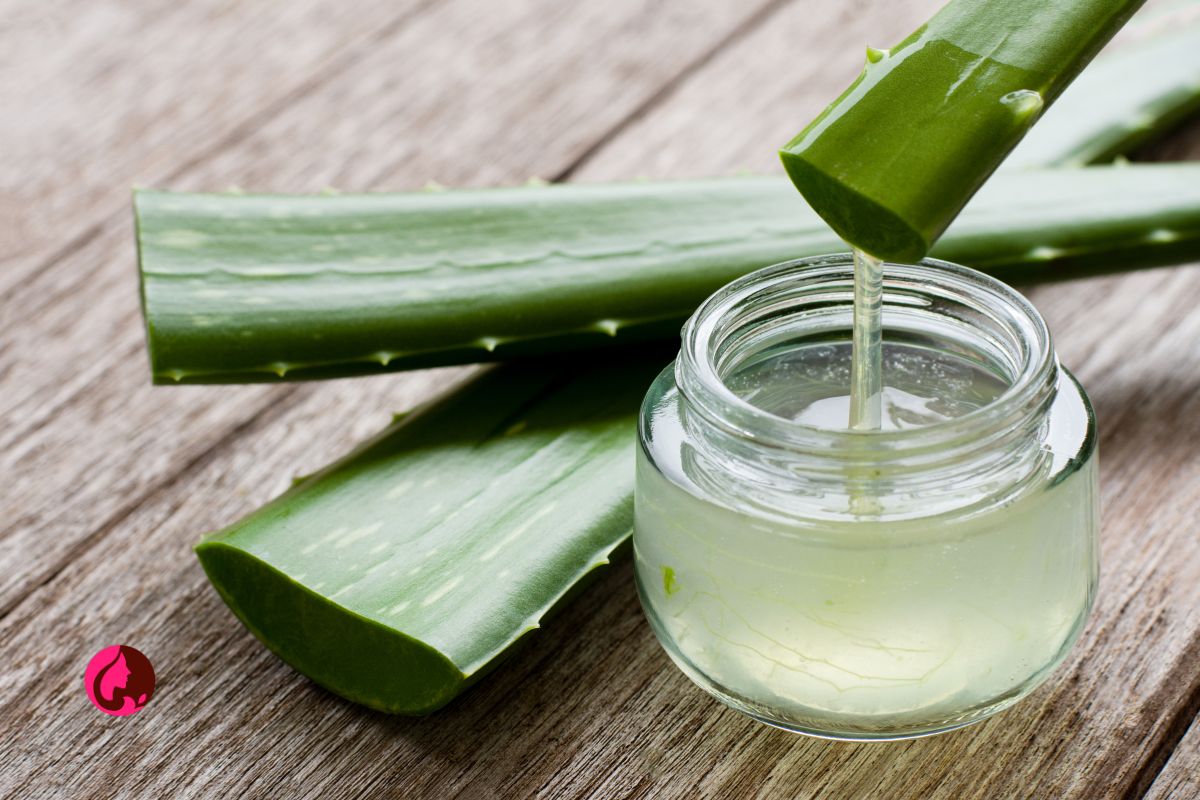
Aloe vera is a succulent widely used in moisturizers and soothing gels, but the benefits and safety of its topical gel are very different from those of aloe latex or whole-leaf products taken by mouth. Some studies suggest aloe gel may help certain minor burns, while strong claims about detoxification, immunity, diabetes and anti-aging are not established. This Redika guide separates uses supported by evidence from marketing, explains safe use, and covers growing aloe at home.
What is Aloe vera? History and global use
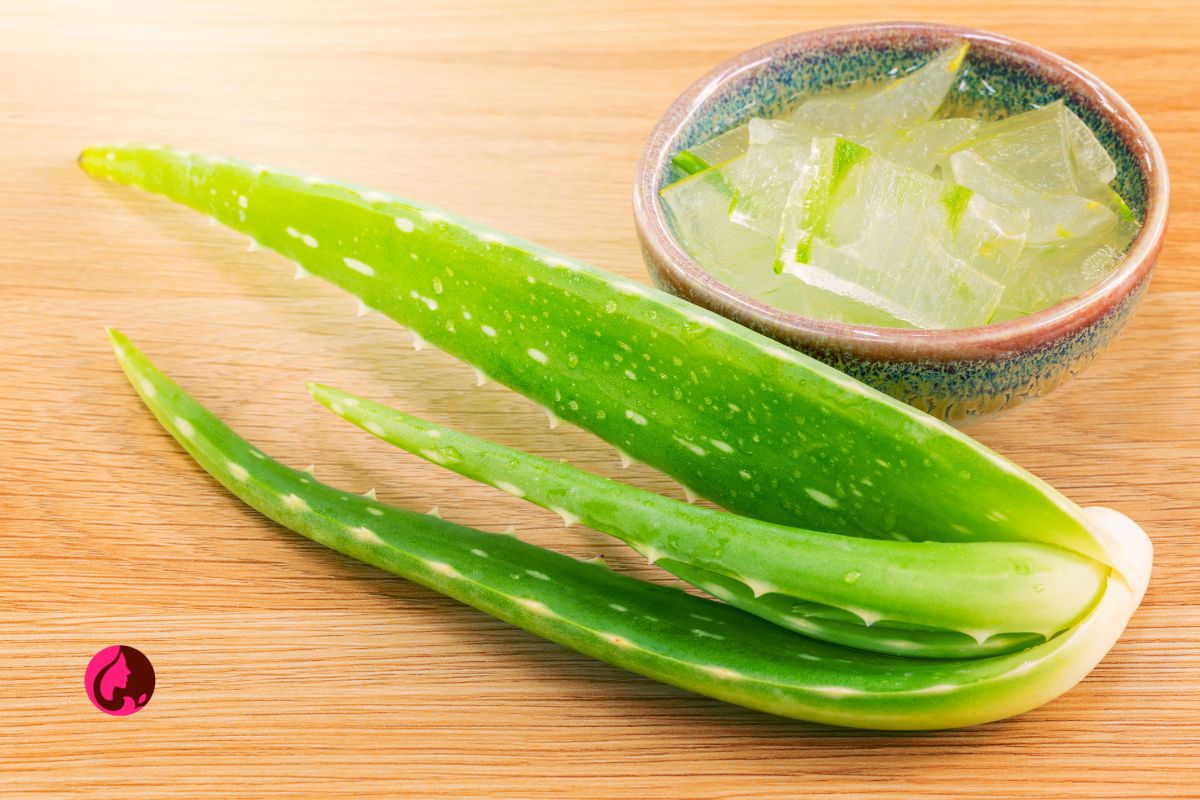
Aloe vera is a succulent species cultivated in warm climates and as a houseplant worldwide. It has fleshy leaves containing clear inner gel, with a distinct yellowish latex layer beneath the rind. The botanical name is usually written Aloe vera; some sources use Aloe barbadensis.
Historical use in different civilizations
Aloes have appeared in herbal traditions in parts of North Africa, the Mediterranean, the Middle East and Asia. Historical use for skin problems and digestive complaints reflects cultural practice, not clinical proof of efficacy. Specific anecdotes about famous historical figures should not be treated as verified medical evidence.
Why is aloe popular today?
Its gel texture is easy to incorporate into cosmetics, and aloe is sold in gels, lotions, cleansers, creams, drinks and supplements. The formulation, processing, added preservatives and proportion of aloe can vary widely, making product-specific evaluation important.
Inside the leaf: gel, latex and whole-leaf extracts
The transparent inner-leaf gel contains mostly water and small amounts of polysaccharides, notably acemannan, plus other compounds. It should not be presented as a concentrated replacement for fruits, vegetables or a balanced diet. The yellow latex near the rind contains anthraquinone substances including aloin, which can have strong laxative effects. Whole-leaf extracts may include both compartments unless carefully processed.
These three categories are not interchangeable. A cosmetic gel formulated for skin is not automatically safe to drink, and drinking a commercial beverage does not establish that it is an effective treatment.
| Form | Typical use | What to know |
|---|---|---|
| Topical inner-leaf gel | Skincare; soothing minor irritation | Usually tolerated, but allergic dermatitis and burning are possible |
| Oral processed gel | Commercial food/drinks in certain markets | Evidence for health benefits is limited; quality and duration matter |
| Yellow aloe latex | Historically used as a laxative | Oral use can cause cramps, diarrhea, low potassium and serious harm |
| Non-decolorized whole-leaf extract | Some older herbal preparations | Safety concerns exist; not recommended for self-treatment |
Does aloe vera have nutritional and antioxidant benefits?
Laboratory analyses identify various phenolic compounds, enzymes, polysaccharides and traces of nutrients in aloe preparations. Their concentrations vary with processing and plant conditions. This does not make aloe a reliable source of vitamin B12, a clinical ‘detoxifier’, or a proven immune booster. Findings in test tubes cannot be assumed to produce the same effects in people.
What the science says about aloe vera health benefits
Immunity and infections
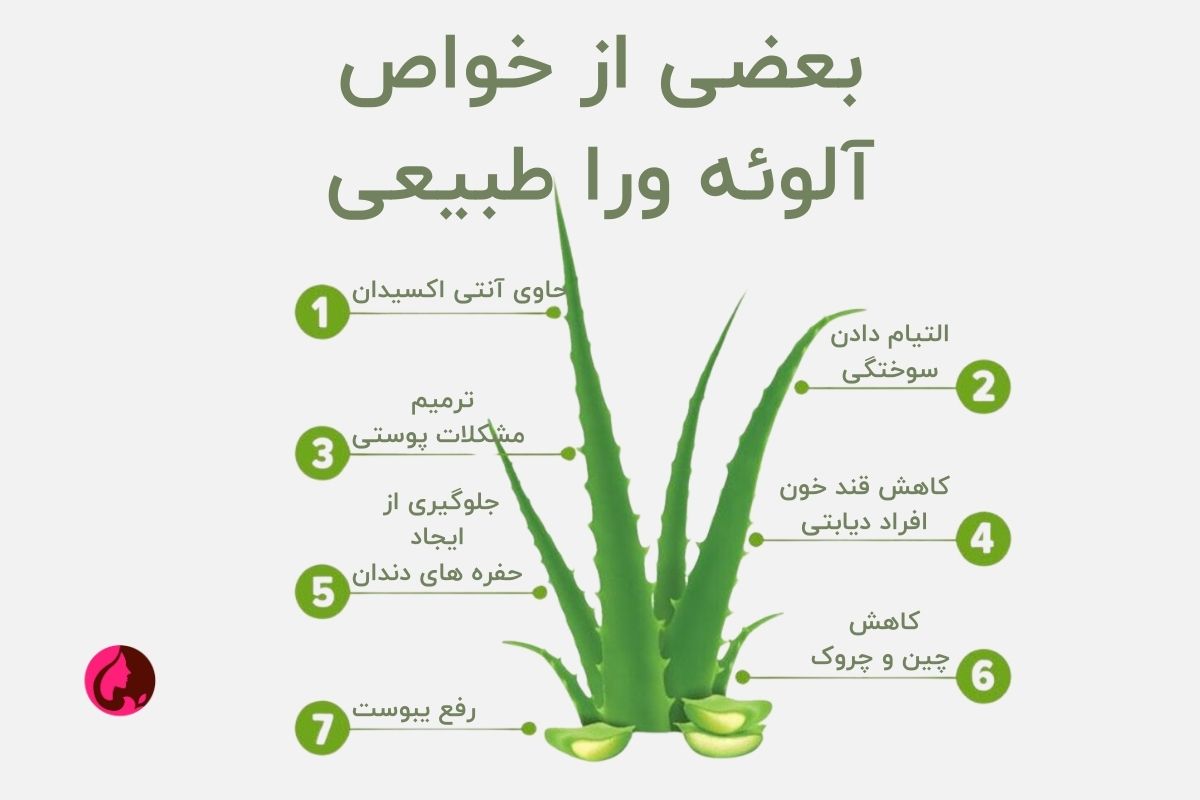
Claims that consuming aloe reliably strengthens immunity or prevents infections lack adequate clinical evidence. Supporting normal immunity requires sufficient nutrition, sleep and appropriate medical care; aloe supplements should not replace any of these.
Digestion, constipation and irritable bowel syndrome
The laxative effect of aloe latex is related to compounds such as aloin, not proof that an aloe drink improves gut health. Oral latex can cause substantial diarrhea, cramping and electrolyte loss. Evidence is insufficient to recommend aloe for irritable bowel syndrome, inflammatory bowel disease or other gastrointestinal problems. FDA removed aloe latex from over-the-counter laxatives in the United States because safety data were inadequate.
Inflammation, pain and chronic diseases
Laboratory signals of anti-inflammatory activity should not be equated with reliable treatment for arthritis, chronic pain or diabetes. Small human studies of blood glucose effects exist, but they do not establish a safe substitute for medicines. Discuss any supplement use with a clinician, particularly if you take glucose-lowering drugs.
Aloe vera in skincare: realistic benefits and limits
Hydration and skin comfort
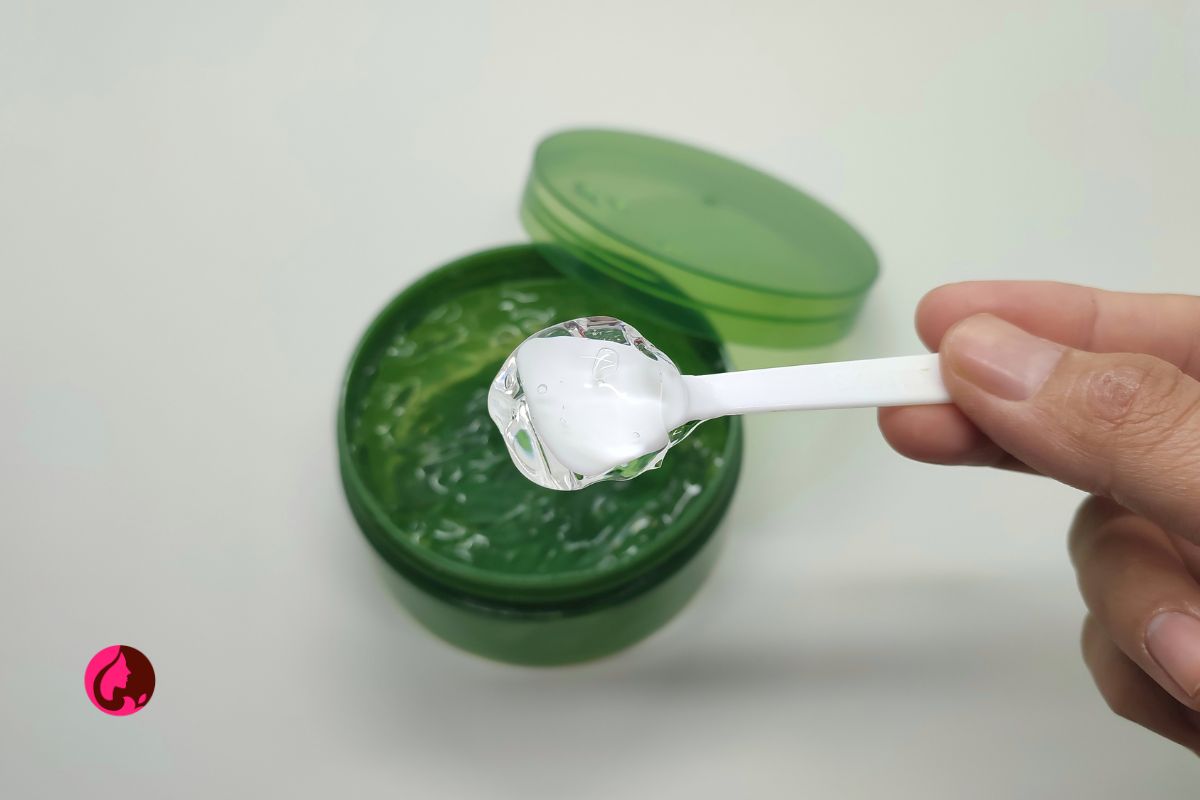
Water-based aloe gels can feel light and cooling, making them convenient additions to moisturizers for some skin types. A well-formulated moisturizer with humectants and barrier-supporting ingredients may still be needed for persistently dry skin. Aloe itself does not guarantee a non-irritating or oil-free experience.
Acne and blemishes
A few small studies suggest topical aloe used alongside other acne treatments might improve results, but it should not replace standard therapies for moderate or severe acne. Pure aloe gel has not been proven to erase acne scars. Choose a fragrance-conscious formulation if your skin reacts easily.
Minor burns and sunburn
Some clinical research suggests aloe gel may help healing of certain minor thermal burns. Evidence for accelerating the healing of sunburn is insufficient. For mild sunburn, cool compresses, gentle moisturizer and avoiding further UV exposure are useful. Blistering, extensive burns or signs of infection need medical evaluation. Aloe is not sunscreen.
Wrinkles and collagen
Claims that topical aloe stimulates enough collagen to prevent all premature aging or visibly reverse wrinkles are not established by high-quality human studies. Consistent broad-spectrum sun protection remains better supported for preventing photoaging.
How to use aloe vera on the skin safely
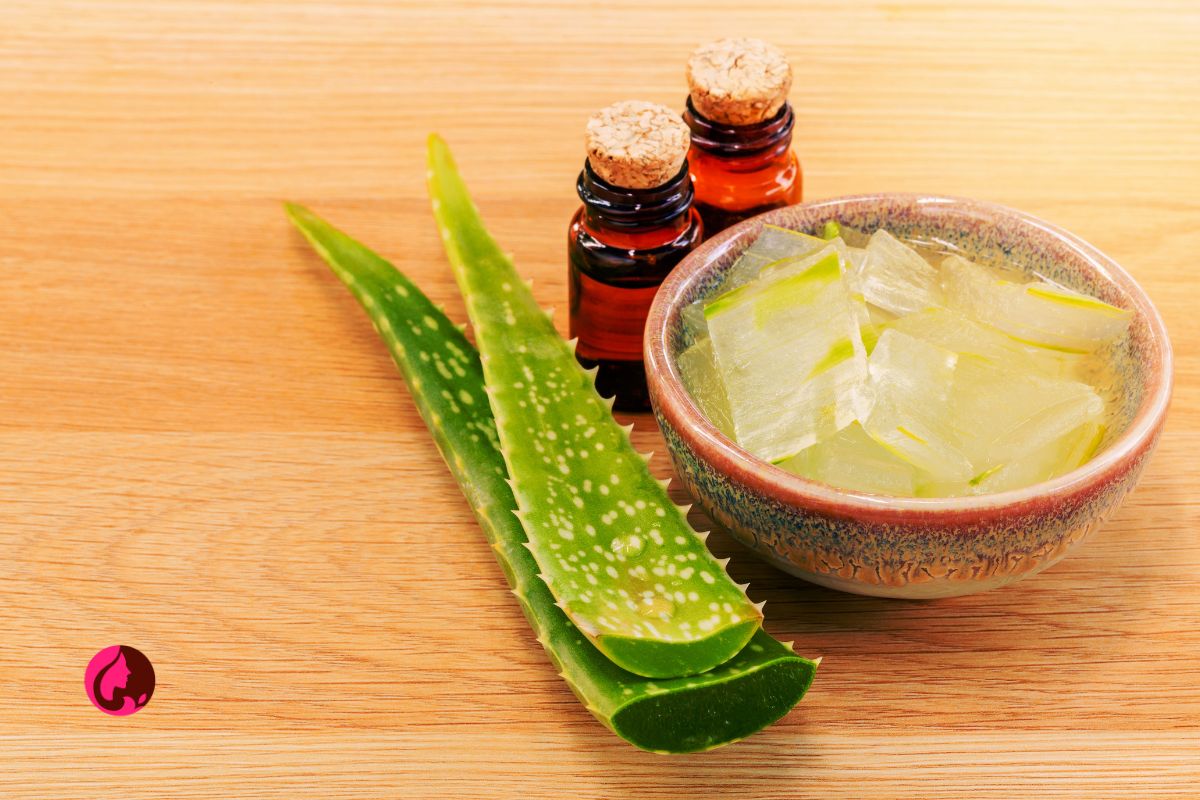
- Prefer a reputable, clearly labeled product intended for topical use rather than an unprocessed leaf for broken skin.
- Test a small patch of healthy skin before wider use, especially if you have eczema or a history of contact allergies.
- Use a thin layer on intact skin as directed. Stop if burning, redness, itching or a rash develops.
- Avoid getting cosmetic gel into the eyes. Do not apply it to deep wounds, infected wounds or serious burns in place of medical treatment.
- Check all ingredients: fragrance, alcohol, preservatives and other added substances may affect tolerability.
Can you drink aloe vera? Oral safety comes first
Do not ingest aloe latex or unprocessed whole-leaf preparations as a home remedy. They can cause diarrhea, abdominal cramps, electrolyte disturbances and potentially serious adverse effects. Rare cases of liver injury have been reported with some oral aloe preparations. An edible, processed product is not equivalent to raw leaf latex, but even commercial drinks lack strong evidence for claims such as immunity enhancement or treatment of IBS.
In pregnancy and breastfeeding, oral aloe products may be unsafe. People with kidney disease, intestinal conditions or those taking medicines should seek medical advice before using aloe by mouth. Products taken with digoxin, blood-sugar-lowering medicines, diuretics or blood thinners may present additional concerns depending on the formulation. Children should not be given aloe latex.
Traditional medicine and home remedies
Aloe has a place in traditional practices across the Mediterranean, the Middle East, Africa and Asia, including historical Iranian and Chinese herbal traditions. Such uses are part of cultural history and do not show that consuming raw aloe treats diabetes, ulcers or other illnesses. Avoid making a homemade oral tonic from an unidentified leaf. Use an appropriately formulated topical product when you merely want a cooling skincare sensation.
How to grow Aloe vera at home
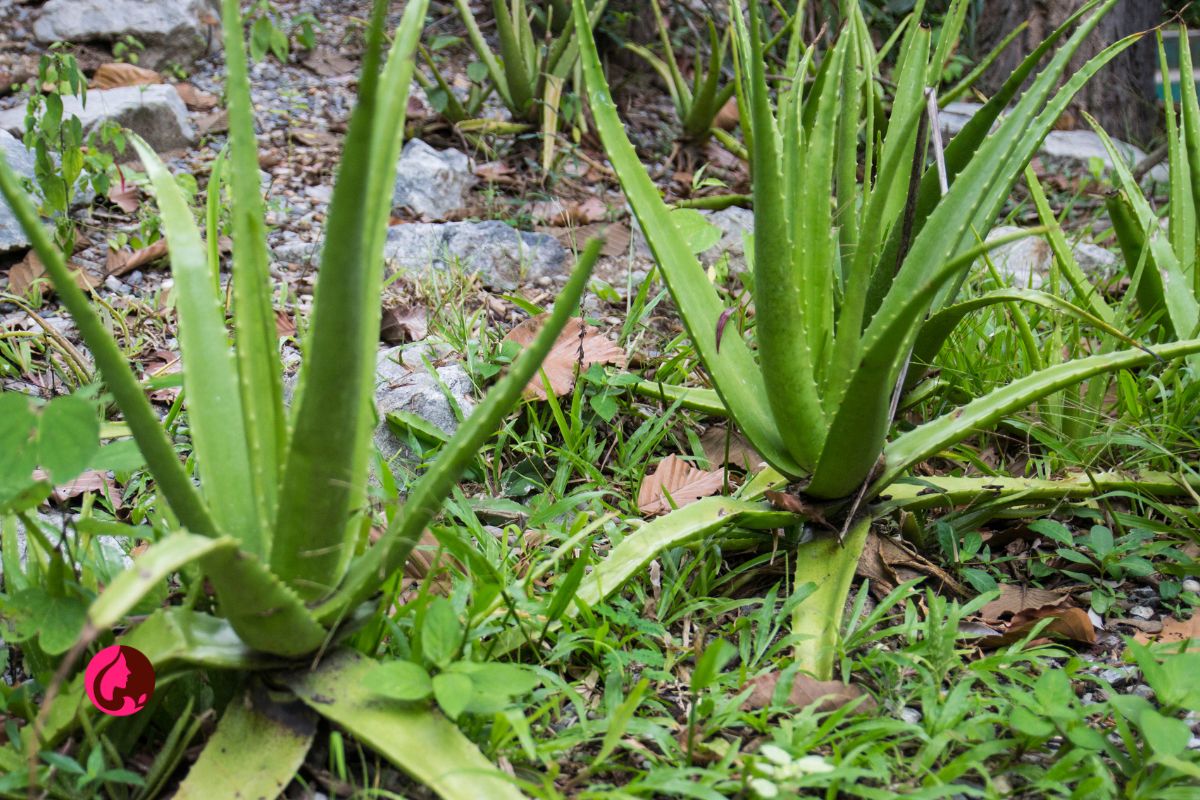
Light and location
Place Aloe vera in a bright spot. Many indoor plants do well in strong indirect light, while established plants can tolerate more direct sun when acclimatized. Sudden harsh midday sun behind glass may scorch the leaves. Protect the plant from frost and prolonged cold drafts.
Watering and soil
Choose a pot with drainage holes and a cactus/succulent mix with added grit. Water thoroughly but infrequently, allowing the potting medium to dry between waterings. Cut back watering in winter; constant wetness can cause root rot. Do not mist the rosette heavily.
Propagation and repotting
Separate healthy offshoots with roots when they are sufficiently established, let any cuts dry briefly and transplant into a well-drained pot. Repot when roots outgrow the container rather than according to a rigid schedule. Monitor mealybugs and scale insects.
Side effects, allergy and medication interactions
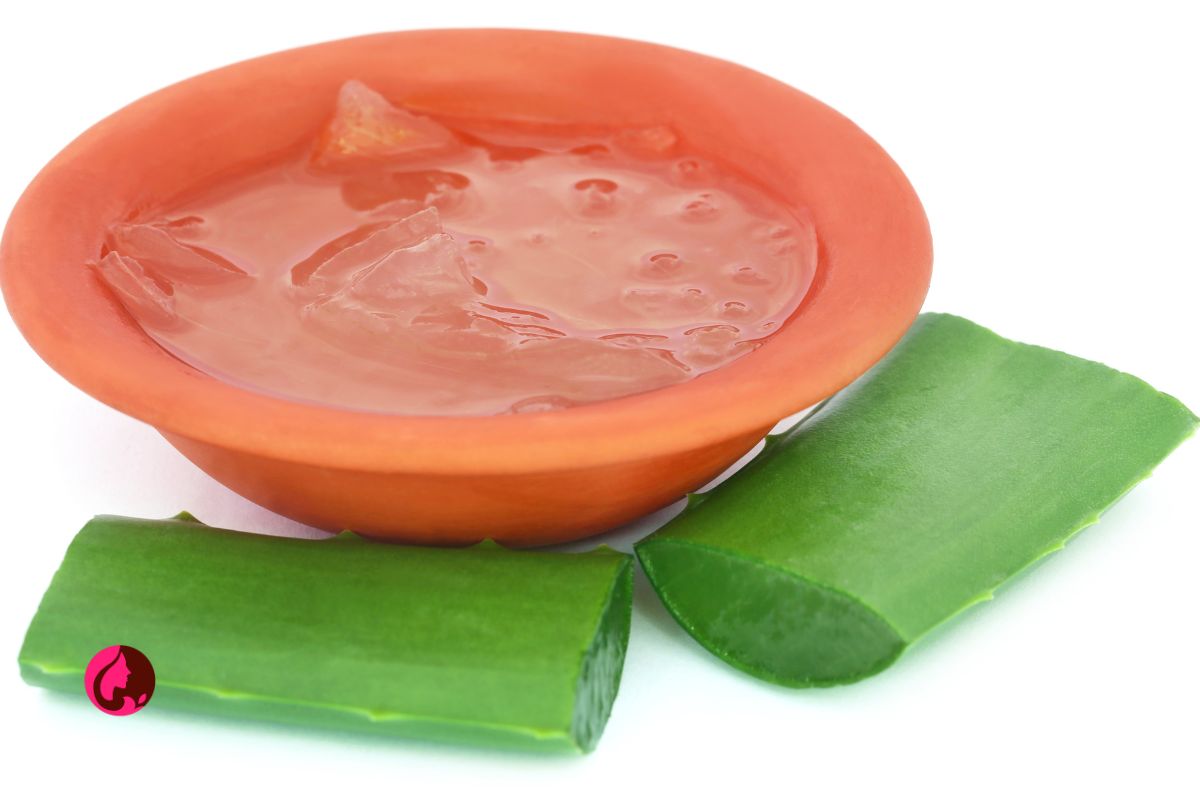
Topical aloe is usually well tolerated but may cause contact dermatitis, itch, stinging or rash. Stop use if symptoms appear. Oral latex and certain leaf extracts may cause gastrointestinal symptoms and potassium loss, which is especially concerning with relevant medicines. Liver injury linked to oral aloe preparations has also been reported. People who are pregnant or breastfeeding should avoid self-prescribing oral aloe and discuss topical use with their clinician.
Severe abdominal pain, persistent diarrhea, yellowing of the skin, dark urine or significant weakness after oral aloe require prompt medical assessment.
Aloe vera in cosmetics, food and pharmaceutical research
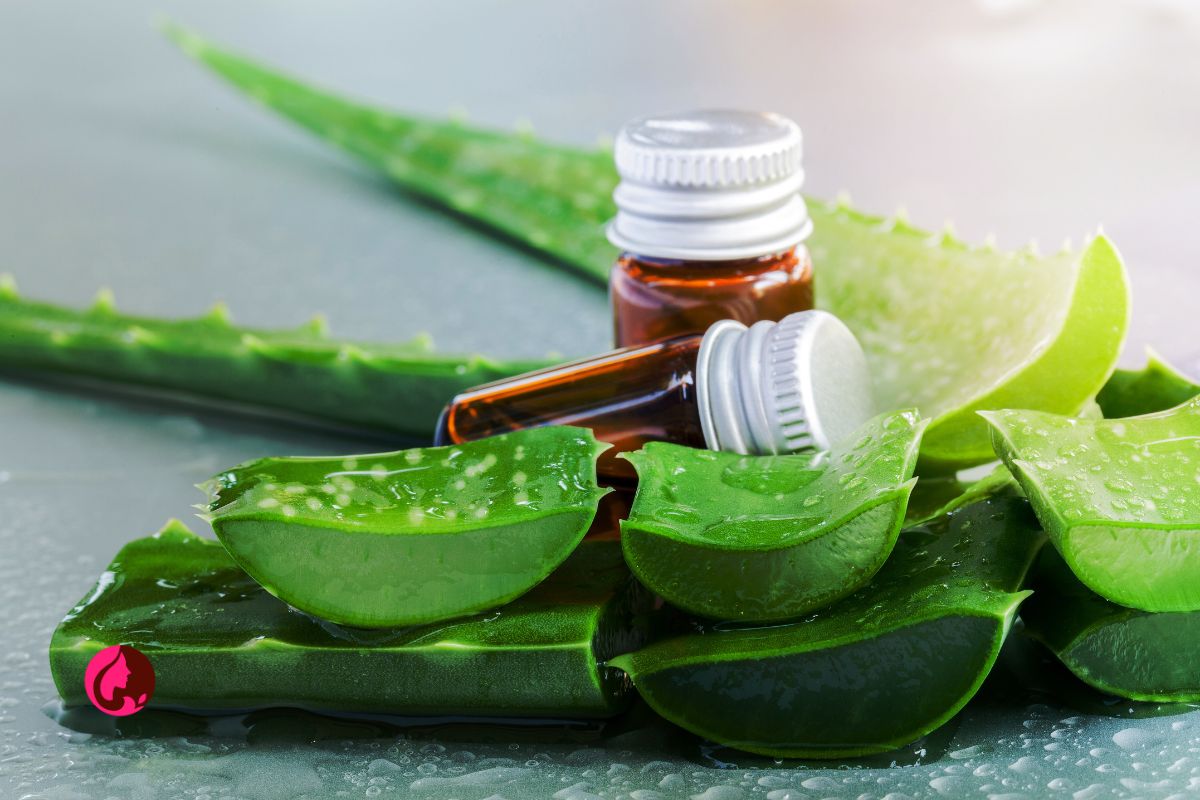
Cosmetic formulations
Manufacturers use aloe in moisturizers, gels, creams, face masks, shampoos and some after-sun products. The finished formula matters more than the presence of one botanical ingredient; aloe on the label does not guarantee skin suitability.
Food and beverages
Processed aloe ingredients can be used in certain beverages and foods under applicable local regulations. Read the exact ingredients and serving directions and do not confuse an edible processed product with raw latex.
Medical and pharmaceutical development
Researchers investigate aloe compounds for wound care and other applications, but preliminary data do not license claims that aloe cures cancer, diabetes or inflammatory bowel disease. Clinical evidence, safety, standardized formulations and regulatory approval remain essential.
Research limitations and product quality
Clinical trials differ in aloe species, extraction methods, concentrations, sample size and how outcomes are measured. A promising result for one standardized cream cannot be generalized to every drink or DIY mask. Published studies on acne and minor burns are more encouraging than claims about gut disease, immune enhancement or anti-aging. Product quality, unwanted latex content, microbiological safety and added ingredients deserve scrutiny.
Is aloe cultivation sustainable?

Aloe is drought-tolerant once established and can grow in dry climates, but this fact alone does not prove that its commercial supply chain has a lower carbon footprint than all synthetic alternatives. Irrigation, soil management, energy, processing, packaging and transport determine impact. Look for transparent sourcing and credible environmental data rather than broad ‘natural equals sustainable’ claims.
Aloe vera across cultures and future research
Aloes have featured in regional botanical and healing traditions, but the customs differ and are not interchangeable. Contemporary research examines polysaccharides, skin barriers, wound care, food technology and potential drug interactions. Future uses require controlled clinical studies and clear product standards. Historical popularity should not be mistaken for medical proof.
Choosing a trustworthy aloe product
- Identify whether the item is for skin application, food consumption or another use; do not swap uses.
- For skincare, review the whole ingredient list and look for clear manufacturer labeling and a suitable expiration date.
- For oral products, avoid latex and unprocessed whole-leaf preparations; consult a clinician rather than relying on a ‘detox’ claim.
- Be cautious with promises of guaranteed acne removal, anti-aging effects, immune boosting or treatment of serious illnesses.
- Remember that evidence for topical gel does not automatically apply to capsules, juices or isolated extracts.
Conclusion
Aloe vera is a versatile plant and cosmetic ingredient with some evidence for specific topical uses. Its pleasant cooling feel does not make every aloe preparation medicinal, and oral latex presents important safety risks. Redika recommends choosing the right formulation for the right purpose, checking sources and seeking medical advice instead of treating aloe as a cure-all.
Frequently asked questions
Is aloe vera gel safe for every skin type?
No. Many people tolerate a suitable topical gel, but contact allergy, stinging and rash can occur. Patch test before wider use.
Does aloe vera cure acne or remove acne scars?
No cure is established. Limited studies have evaluated aloe alongside standard acne treatments; it has not been proven to erase scars.
Does aloe vera help sunburn?
It may feel cooling, but evidence that it speeds sunburn healing is insufficient. Prevent further UV exposure and seek care for serious burns.
Is drinking aloe vera safe?
Oral aloe latex and non-decolorized whole-leaf products can be unsafe. Processed edible products differ, but health claims remain limited; ask a healthcare professional.
Can pregnant or breastfeeding people take aloe?
Oral aloe products may be unsafe and should not be self-prescribed during pregnancy or breastfeeding. Consult a healthcare professional.
How often should Aloe vera be watered?
Water when the growing medium has dried, use a freely draining pot, and water less often in winter.
Does aloe gel replace sunscreen?
No. Aloe does not provide dependable UV protection or replace broad-spectrum SPF 30+ sunscreen.
Sources and further reading
About the author

Join the conversation
Share your experience or question with REDIKA readers.
Your email stays private. Please avoid sharing personal or sensitive details.


