Home / Editorial guide


When people want to look younger, they often compare two approaches: Botox injections for a relatively quick improvement in facial expression lines, and healthy daily habits that support skin health over time. Neither is a universal solution, and the choice need not be all-or-nothing.
This article explains what botulinum toxin injections can and cannot do, how lifestyle choices affect skin, and when combining approaches might make sense. It is educational rather than medical advice. Speak with a qualified clinician, particularly if you are pregnant, have a neuromuscular condition, take relevant medication or have a history of allergy.
Quick answer: Botox works primarily on wrinkles caused by repeated muscle movement. Sun protection, sleep, nutrition, physical activity and avoiding smoking support overall skin health. A clinician can help decide whether any cosmetic procedure is appropriate.
1. What exactly is Botox and how does it work?

Botox is a brand name associated with botulinum toxin type A. When appropriately injected by a trained professional, it temporarily reduces nerve signals that cause certain muscles to contract. Reduced movement can soften expression lines, including frown lines, some forehead lines and crow’s feet around the eyes.
Different products have different approved uses and dosing, so treatment should be planned according to local medical guidance and an individual assessment.
Which types of wrinkles respond best?
Dynamic wrinkles become visible during facial movements such as smiling, frowning or raising the eyebrows. These are usually the most responsive to a neuromodulator. Static wrinkles remain visible when the face is resting; they may not respond fully to Botox alone. A dermatologist may discuss targeted skincare, resurfacing treatments or other options where appropriate.
When does Botox start working, and how long does it last?
Changes may begin within a few days after injection, while the full result can take one to two weeks depending on product and treatment area. Cosmetic effects frequently last around three to four months, though individual results vary. A clinician should explain the expected timeline and follow-up requirements for the product being used.
What can Botox do?
It can temporarily reduce the appearance of certain movement-related wrinkles. By limiting repetitive contraction, it may also influence how some expression lines develop, but this does not mean it prevents all signs of skin ageing.
What can Botox not do?
- It does not provide the same structural tightening as a true surgical lift.
- It does not restore lost facial volume in cheeks or around the eyes.
- It does not directly repair sunspots, uneven texture, dullness or all forms of skin laxity.
- It cannot substitute for daily sun protection and an appropriate skincare routine.
2. Botox risks and limitations—without exaggeration
Botulinum toxin injections are medical procedures. Local pain, bruising, tenderness or headache can occur. More significant effects, such as unintended weakness, eyelid drooping or facial asymmetry, are possible. Rare serious adverse effects require prompt medical attention. Treatment by an appropriately trained, licensed professional and careful medical screening matter.
The main practical limitation remains its target: lines related to muscle movement, not every cause of facial ageing.
3. How can healthy habits support skin ageing?
Where injections affect specific muscle activity for a period, lifestyle choices influence the skin’s broader environment through sunlight exposure, oxidative stress, nutrition, sleep and physical health. Results are gradual, and no habit can stop normal biological ageing.
A. Sun protection: the foundation
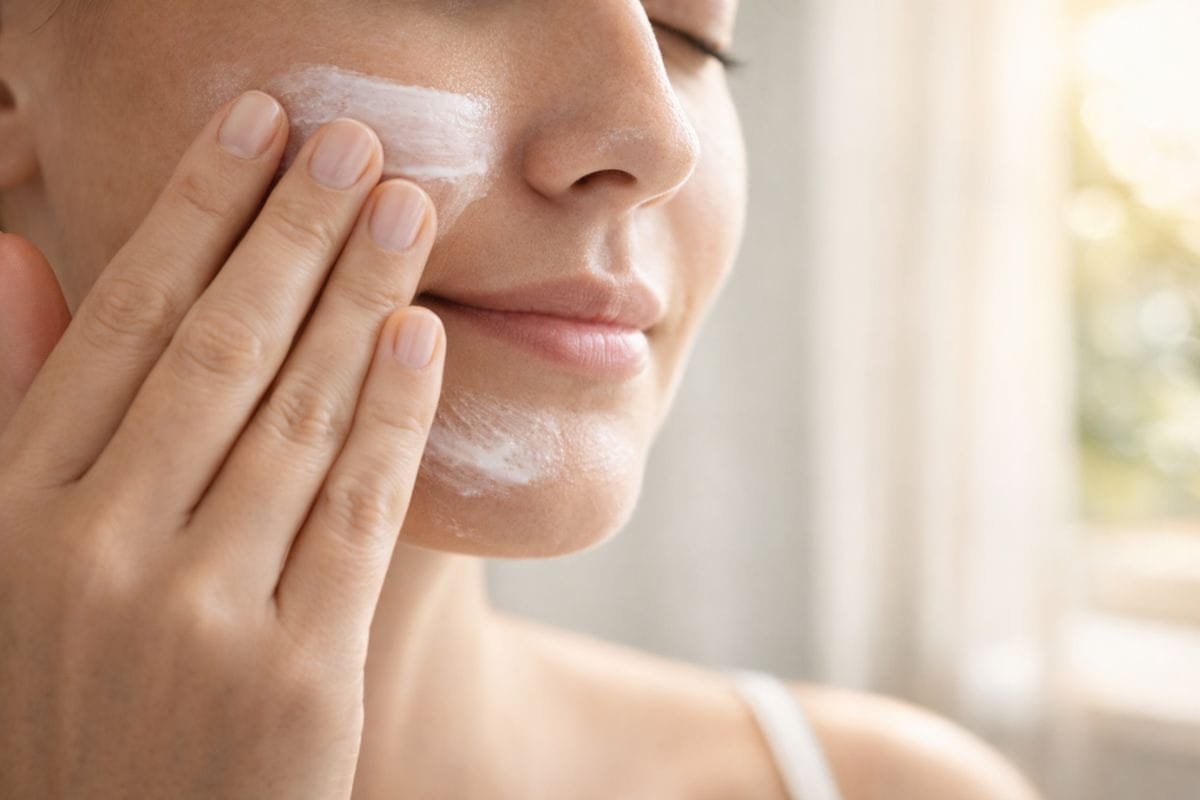
A substantial share of visible skin changes over time is associated with cumulative ultraviolet exposure. Regular broad-spectrum sun protection is therefore among the most evidence-supported prevention strategies in dermatology.
- Use an appropriate broad-spectrum sunscreen with SPF 30 or higher when exposed to UV, and reapply as directed.
- Combine it with shade, a hat, sunglasses and protective clothing.
- Choose a product you can use consistently rather than one that feels unpleasant.
Research also suggests that some existing signs of photodamage may appear to improve with consistent appropriate skincare; sunscreen is primarily a preventive measure, not a substitute for medical treatment of skin lesions.
B. Nutrition: supporting the body’s repair systems

A balanced diet cannot erase a wrinkle overnight. Still, eating patterns rich in varied plants, fibre, healthy fats and adequate protein can support general health and the processes involved in skin maintenance.
- Choose colourful vegetables and fruits that provide a variety of plant compounds.
- Include sources of unsaturated fat, such as olive oil, nuts and fish.
- Get adequate protein as part of an appropriate overall diet.
- Limit excess added sugar. Glycation and advanced glycation end products (AGEs) are among the mechanisms investigated in relation to collagen, elastin and skin ageing.
Associations in nutrition research do not prove that a particular food will directly prevent wrinkles. Consistent dietary patterns are more meaningful than isolated “beauty foods”.
C. Sleep: a real part of recovery

Sleep matters beyond feeling rested. Some studies have associated persistently poor sleep quality with greater signs of skin ageing and weaker skin barrier function. Aim for sufficient, regular sleep and seek help if ongoing insomnia is affecting health.
D. Exercise: circulation and general wellbeing

Regular physical activity supports cardiovascular and metabolic health and has been studied for possible relationships with skin function and appearance. Exercise is not a guaranteed anti-wrinkle treatment; its established broad health benefits make it a worthwhile foundation.
E. Smoking and the skin
Smoking is linked with premature facial wrinkling and other skin changes. Research points to oxidative stress and collagen-degrading pathways, among other mechanisms. Avoiding tobacco is one of the most meaningful choices for overall health and can benefit the skin as well.
4. Botox versus a healthy lifestyle: comparison
| Factor | Botox injections | Healthy habits |
|---|---|---|
| Speed | Changes within days; full effect may take up to two weeks | Gradual benefits over weeks to months |
| Duration | Often around 3–4 months | Benefits depend on continued habits |
| Main target | Selected dynamic expression lines | Overall skin health and reduced avoidable damage |
| Risks | Injection-related adverse effects and technical risks | Generally low for sound everyday habits, with individual exceptions |
| Costs | Procedure and repeat-treatment expenses | Routine expenditures and consistent time commitment |
5. Is combining Botox with a healthy lifestyle reasonable?
For some people, yes. If a clinician determines injections are appropriate, they may improve the appearance of existing dynamic lines while sun protection and healthy habits support overall skin health. Having realistic expectations is essential: these two strategies act through different mechanisms and do not replace one another.
Can supplements make Botox last much longer?
Social-media claims about dramatically extending Botox results with supplements should be treated cautiously. Small studies have explored questions such as the role of zinc, but there is no strong consensus supporting routine supplementation for longer cosmetic effects. Supplement use can involve dosing problems and interactions, so consult a healthcare professional before starting one.
6. Common mistakes that undermine results
- Replacing sunscreen with Botox: injections do not protect against UV damage.
- Expecting a face-lift: neuromodulators do not restore lost skin elasticity or volume.
- Choosing an unqualified provider: anatomy, product handling and injection technique matter.
- Ignoring everyday diet quality: no cosmetic procedure cancels out the importance of general health.
- Persistently poor sleep: it can affect recovery and wellbeing, regardless of cosmetic treatment.
7. Decision checklist: which approach fits your goals?
Consider discussing Botox with a qualified dermatologist if:
- Your primary concern is wrinkles that appear more strongly with facial movement.
- You understand the temporary nature of treatment and possible adverse effects.
- You are comfortable with medical assessment and potential maintenance appointments.
Make healthy habits your starting point if:
- You do not consistently protect your skin from UV radiation.
- Your sleep, nutrition, physical activity or smoking habits need attention.
- Your principal concerns are overall skin quality, dullness, texture or sun-related changes.
These paths are not competing moral choices. Personal needs, health conditions and informed preferences should guide decisions.
8. Frequently asked questions
1. Which wrinkles respond best to Botox?
Lines caused by repeated muscle movements, such as certain frown, forehead and crow’s-feet lines.
2. When does Botox begin working?
Some effects may become noticeable in a few days; the full result can take up to one or two weeks.
3. How long do results last?
Commonly around three to four months in cosmetic settings, though individual results vary.
4. If I make only one preventive change, what should it be?
Consistent sun protection with appropriate broad-spectrum SPF 30+ sunscreen, shade and protective clothing is a strong foundation.
5. Does sunlight really contribute to skin ageing?
Yes. Chronic UV exposure is a major contributor to visible photoageing.
6. What is the connection between sugar and skin?
Glycation and advanced glycation end products are mechanisms studied in relation to collagen changes, though dietary outcomes are complex.
7. Is sleep linked with skin health?
Observational and other research has linked poor sleep quality with skin barrier concerns and some visible ageing markers. Sleep is also important for broader health.
Conclusion: which option is better?
Botox may be useful for a temporary reduction in selected facial movement lines, but it cannot solve every aspect of skin ageing. Healthy habits—especially sun protection, sufficient sleep, balanced nutrition, physical activity and avoiding smoking—provide a more comprehensive foundation for long-term skin health.
For someone seeking both short-term cosmetic changes and long-term care, a carefully considered combination may make sense after consultation with a qualified clinician. A realistic plan is more valuable than promises of permanent youth.
Sources and further reading
For evidence-based dermatology and medical information, consult the American Academy of Dermatology, Mayo Clinic, PubMed, PubMed Central and Harvard T.H. Chan School of Public Health.
About the author

Join the conversation
Share your experience or question with REDIKA readers.
Your email stays private. Please avoid sharing personal or sensitive details.


