Home / Editorial guide


Imagine getting an early indication that your mental wellbeing may be changing—before stress, anxiety or low mood significantly disrupt daily life. The idea sometimes described as a digital mind scan uses patterns in sleep, activity, speech, mood and daily routines to identify changes worth discussing with a professional.
Important: this is not a literal brain scan or a validated medical diagnosis. Digital monitoring can provide research insights or screening prompts, but it cannot replace evaluation by a qualified mental-health professional.
At a glance
- What is it? Combining everyday digital indicators—sleep, movement, self-reported mood, concentration and sometimes speech—with pattern analysis.
- Why consider it? Gradual changes may be easier to notice over time than on a single difficult day.
- Which tools? Cognitive tests, wearables, mood journals, sleep trackers and experimental AI models.
- Main concerns? Privacy, consent, accuracy, bias, over-monitoring and false alerts.
What does “digital mind scanning” mean?
It is an informal umbrella term for methods that track possible indicators of psychological wellbeing periodically or continuously using digital information. Most inputs fall into two groups: information you enter actively and measurements collected passively.
1. Active data
Active data requires intentional participation, such as:
- Rating daily mood on a scale from 1 to 10.
- Completing a short, appropriately validated anxiety or depression questionnaire.
- Taking brief attention, memory or reaction-time assessments.
- Writing notes about energy, stress or symptoms.
Active tracking has context that sensors may miss, but it also depends on the user’s willingness and ability to respond accurately.
2. Passive data
Passive information may be collected, with meaningful consent, from a phone or wearable:
- Sleep timing, awakenings and estimated sleep regularity.
- Daily step counts and movement patterns.
- Changes in the frequency of interactions, without automatically reading private messages.
- App-use or typing patterns, where strictly necessary and clearly disclosed.
The aim is to establish a personal baseline and look for sustained deviations. A deviation is a reason for reflection—not proof of a disorder.
Why might earlier recognition matter?
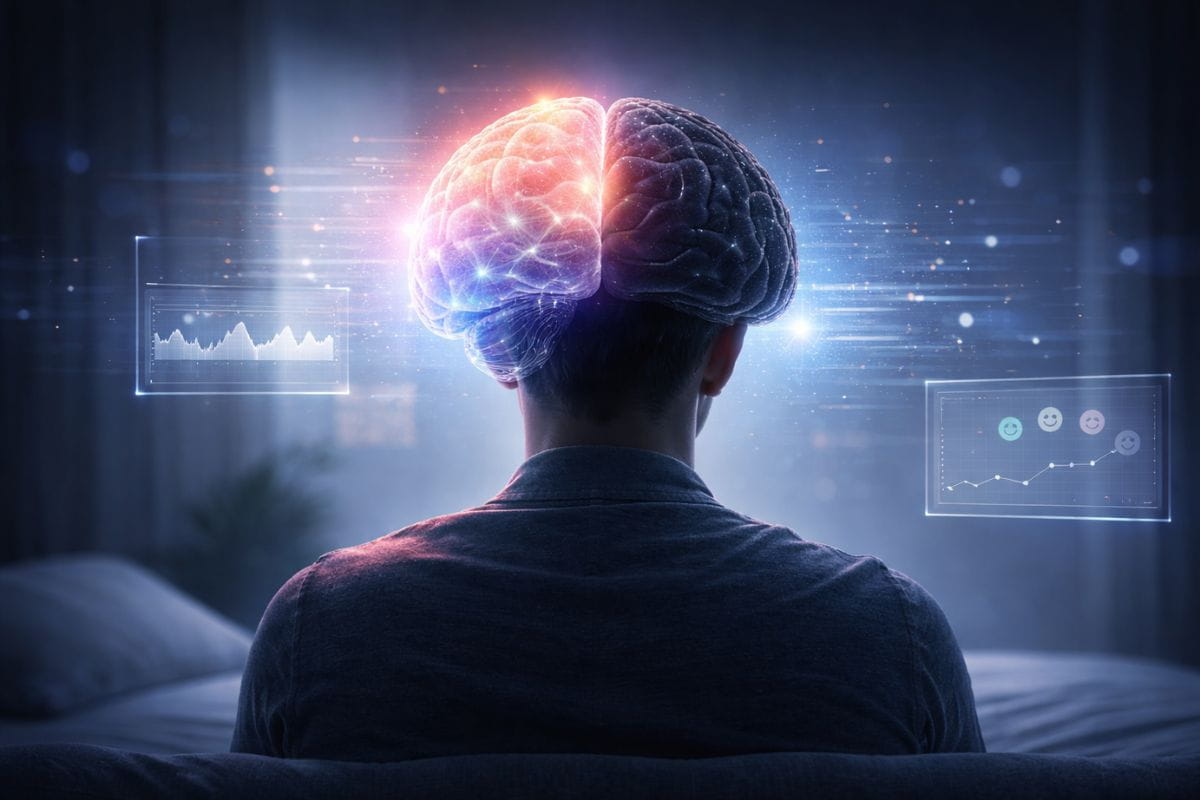
Some difficulties emerge gradually through disturbed sleep, falling energy, concentration changes or social withdrawal. Recognising persistent symptoms may help people seek support sooner.
Earlier access to appropriate support
Early conversations with a professional may help clarify whether changes relate to stress, a physical condition, a mental-health disorder, medication, or another factor. The right intervention depends on the situation and may include psychoeducation, therapy, lifestyle adjustments or other evidence-based care.
Limiting longer-term impact
Problems that persist can influence relationships, work, physical health and confidence. Timely assessment may reduce the burden for some people, although monitoring alone does not prevent a condition from becoming chronic.
Reducing wider personal costs
The cost of mental-health challenges can include disrupted sleep, absences, strained relationships and reduced functioning, not only treatment expenses. Responsible screening may prompt earlier help-seeking; its economic benefits should not be assumed without appropriate evidence.
Which patterns might warrant attention?
No single digital signal can diagnose anxiety or depression. A sustained combination of changes, especially alongside how someone feels, may warrant discussion.
Sleep pattern changes
- Repeatedly struggling to fall asleep or waking much earlier than usual.
- Frequent interruptions during the night.
- Unusually long sleep paired with persistent fatigue.
Changes in energy and daily rhythm
- Noticeably reduced physical activity.
- Major changes in normal daily routines.
- Long periods of inactivity alternating with bursts of activity.
Cognitive indicators
- More trouble concentrating.
- Slower decision-making or reaction times.
- Repeated mistakes or noticeable forgetfulness.
Speech and writing features
- Changes in speaking rate, pauses or vocal energy.
- More expressions of hopelessness in voluntarily shared writing.
- Unusually short responses or major changes in communication patterns.
Language models and acoustic analyses are research tools here; context, language, disability and individual speech patterns can substantially affect interpretation.
Social interaction patterns
Fewer conversations, sudden withdrawal or new difficulty replying to messages can be worth noticing. However, privacy, changing life circumstances and personal preferences matter. The most useful comparison is usually a person’s own previous pattern, not an arbitrary comparison with others.
Digital tools being studied for early identification
1. Digital cognitive assessments
Short tasks can measure reaction speed, attention and memory. Repeated assessments sometimes reveal patterns that a single test may not show. Practice effects, distractions, sleep deprivation and device differences must be considered.
2. Wearables and sleep or activity tracking
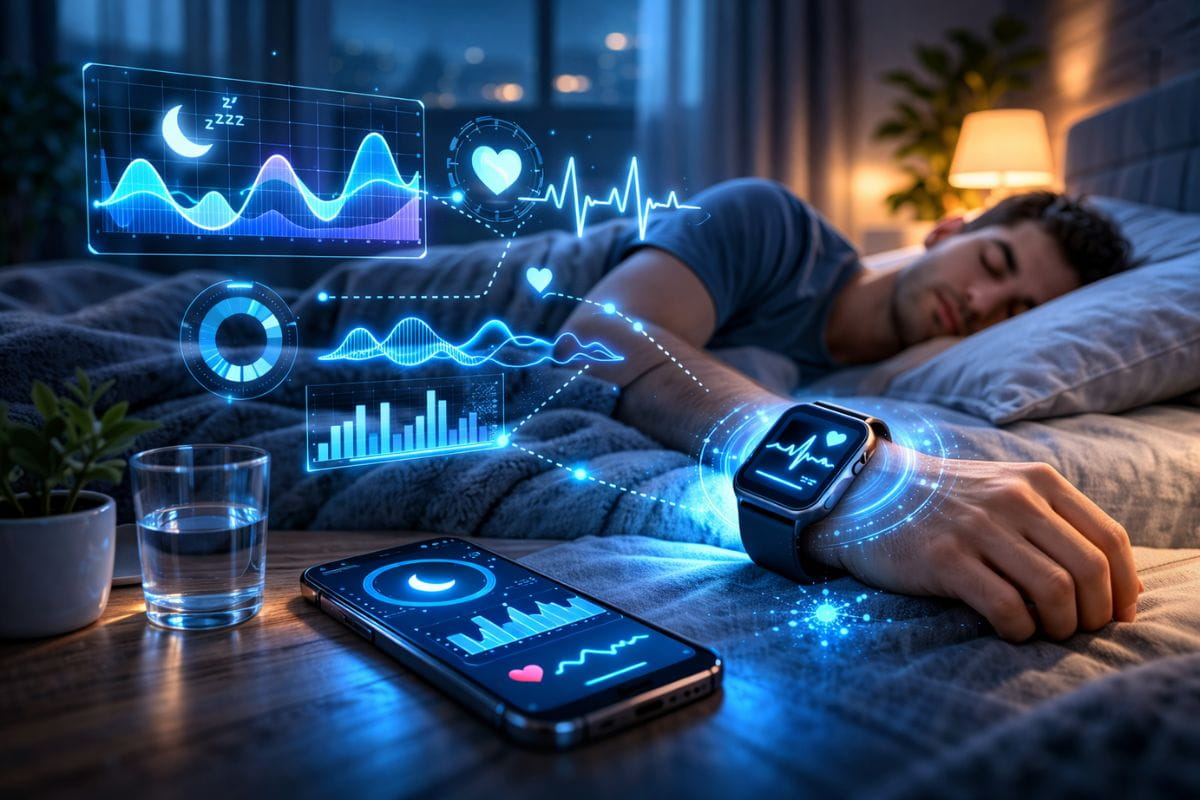
Smartwatches and fitness bands collect estimates of movement, heart rate and sleep. A combination of poorer sleep, changes in resting heart rate and lower activity may prompt a user to check in with themselves. It can also reflect illness, travel, stress or many other non-psychiatric causes.
3. AI-assisted speech and text analysis
Experimental models look for changes in language, pauses and vocal characteristics. These analyses should be optional, transparent and based on informed consent. A model-generated alert should never be presented as a clinical conclusion.
What role can artificial intelligence play?
AI can combine data from different sources to search for correlations or deviations that may be hard to notice manually. It is better understood as a research and decision-support tool than as a mind-reading system.
How might AI find patterns?
- Estimate a baseline from previous observations.
- Compare newer information with that baseline.
- Detect possible changes or patterns.
- Present an understandable prompt or uncertainty-aware risk indicator, not a diagnosis.
What about anxiety and depression?
Research on machine learning and digital phenotyping has reported promising patterns in selected datasets, but performance varies greatly by study design, population, device and data quality. General clinical reliability is not established simply because an algorithm reports a high accuracy figure. Where appropriately validated, these tools could support clinicians or encourage timely consultation.
Two illustrative scenarios
Scenario 1: A persistent sleep change
Someone who normally sleeps seven fairly regular hours experiences repeated awakenings over ten nights. Morning energy falls, and self-reported mood drops. A responsible app might suggest reviewing the trend and seeking advice if symptoms persist—not announce that the person has depression.
Scenario 2: Concentration declines over several weeks
A user sees a downward trend in repeated attention tasks while overnight phone use rises. Rather than drawing a diagnostic conclusion, the system might suggest checking sleep habits, stress and other possible causes, then discussing continuing difficulties with a qualified professional.
Ethics and privacy: where should the boundary be?

1. Consent and privacy
Information about psychological wellbeing is highly sensitive. A tool should clearly explain which data it collects, how data are used, who can access them, and how to stop collection. Essential safeguards include informed and revocable consent, data minimisation, appropriate encryption, a defined retention period and meaningful deletion controls.
2. Bias and incorrect alerts
Models developed on limited or unrepresentative datasets may be less accurate for some age groups, languages, disabilities or communities. False positives can cause unnecessary worry; false negatives may create false reassurance. Systems should disclose limitations and allow professional interpretation.
3. Organisational misuse
Using sensitive psychological data to unfairly screen applicants, influence insurance decisions or monitor employees is a serious concern. Effective governance, security, privacy rights and applicable law are necessary.
The future: technology alongside clinicians
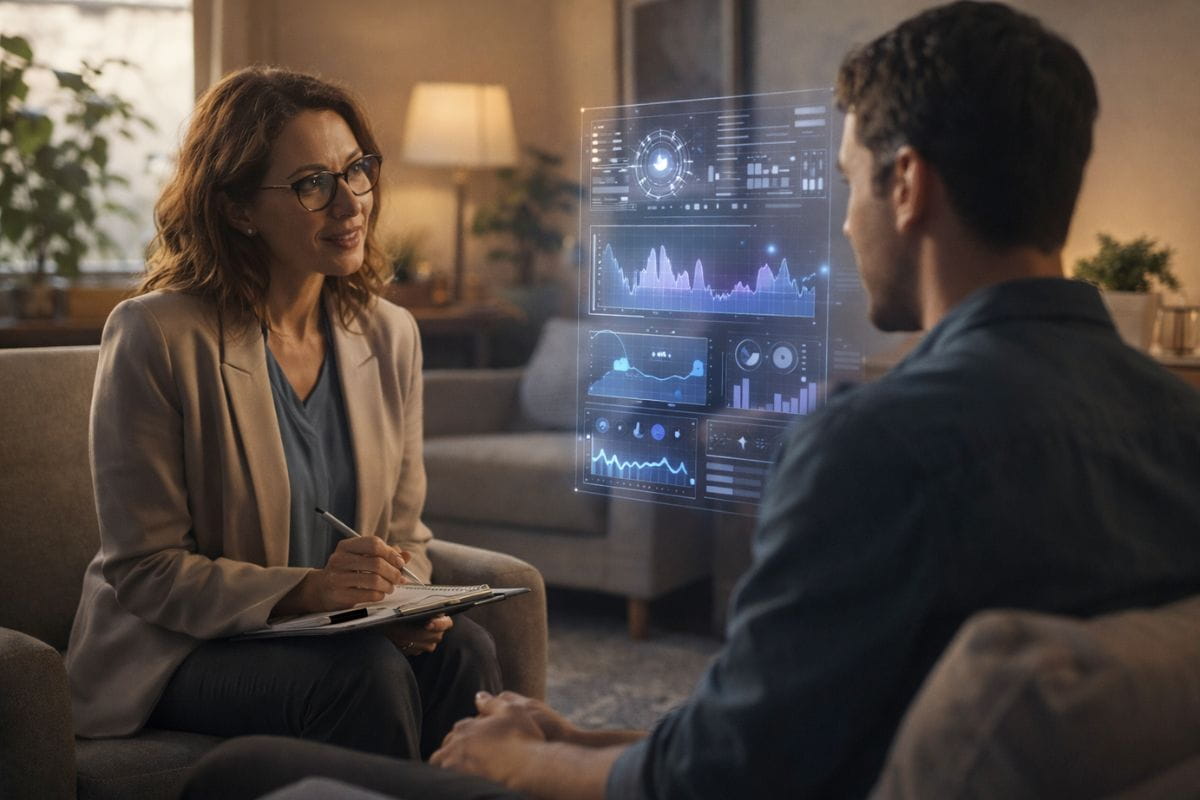
Potential directions include multimodal analysis that combines sleep, movement, language and cognitive tasks; on-device processing that keeps more information on the phone; federated learning where appropriate; and explainable tools that show why an alert was generated.
These methods remain subject to scientific validation, clinical oversight and privacy safeguards. The point should be to give healthcare professionals and patients more useful context—not to replace human judgment.
A practical guide to choosing digital wellbeing tools
Safety checklist
- Is the privacy policy clear, specific and understandable?
- Can you limit access to microphone, location, health and communication data?
- Can you export and delete your records?
- Does the tool make exaggerated claims of certain diagnosis? Treat these cautiously.
- Does it advise appropriate professional support when symptoms are concerning?
- Are limitations, accuracy and intended use explained?
How to use the data responsibly
- Pay attention to trends rather than one unusual day or number.
- Use alerts as prompts for care, not reasons for self-blame.
- Discuss persistent changes with a mental-health professional.
- Do not wait for an app if symptoms become severe or your safety is at risk—seek timely local help.
Frequently asked questions
Can a digital mind scan diagnose depression?
No. It may highlight patterns worthy of attention, but diagnosis requires an appropriate clinical assessment.
Can these tools replace psychologists or psychiatrists?
No. They can only complement assessment and care when evidence and privacy safeguards justify their use.
Is analysing speech or text risky?
It can be, particularly without consent, transparency or strong security. It should always be optional and proportionate.
What should I do after receiving an alert?
Check whether changes persist and whether daily functioning is affected. Consider a professional consultation rather than relying on a single score.
Is a smartwatch enough?
No. Sleep and activity estimates alone cannot capture the full range of psychological factors.
Can such systems make mistakes?
Yes. Both false positives and false negatives are possible, especially outside carefully evaluated populations.
Who may benefit most?
Some people managing stress or ongoing symptoms may find trend tracking helpful with suitable guidance. Benefits are not guaranteed.
Is tracking suitable for everyone?
No. Continuous monitoring can increase anxiety in some people. Choose a method that supports rather than undermines wellbeing.
Conclusion

Digital wellbeing monitoring could act as an early prompt to notice subtle changes, but its usefulness depends on evidence, responsible interpretation, transparent data practices and access to human care. A helpful system supports a person; it does not watch, label or control them.
Further reading and research
For authoritative and peer-reviewed information, consult the World Health Organization, NICE, PubMed, JMIR Mental Health, Nature, PubMed Central, the EU law portal and the UK Information Commissioner’s Office. These are resources for checking evidence and privacy principles, not endorsements of any particular product.
About the author

Join the conversation
Share your experience or question with REDIKA readers.
Your email stays private. Please avoid sharing personal or sensitive details.


