


Quick Answer: To choose the right shampoo and hair mask, you must first identify the type of hair damage. Dryness, frizz, split ends, breakage, dullness, excessive scalp oiliness, and damage caused by dyes or heat each require different care. Shampoo is primarily for cleansing the scalp and controlling its oiliness or dryness; hair masks focus on the hair shaft to reduce roughness, tangles, and brittleness. If you experience sudden hair loss, severe itching, sores, or scalp inflammation, choosing a product alone is not enough, and it is better to consult a dermatologist.
Hair plays an important role in appearance and self-confidence, but looking beautiful is not just about having straight or shiny hair. Healthy hair is usually flexible, does not break easily, does not have severe tangles, and its scalp is free from inflammation or unusual flaking. Many hair problems are exacerbated by choosing the wrong product, excessive washing, constant heat, dyeing and bleaching, or inadequate care. For this reason, before buying shampoo and a hair mask, you should examine the scalp and hair shaft separately.
Hair Structure and Reasons for Vulnerability
The hair shaft is mainly made of keratin and consists of three parts: the medulla, cortex, and cuticle. The cuticle is the outermost layer and acts as a protective cover for the inner parts of the hair. When this layer is damaged by heat, chemicals, friction, or improper washing, the hair surface becomes rougher, moisture is lost more easily, and the likelihood of tangles and breakage increases.
The root and hair follicle are located in the scalp and are not the same as the shaft seen outside the skin. Products like masks, conditioners, and hair oils can improve the appearance and condition of the shaft and reduce further damage, but they cannot re-bond split ends or definitively cure scalp diseases. For severe split ends, trimming the damaged part and adjusting your care routine is usually the most effective way.
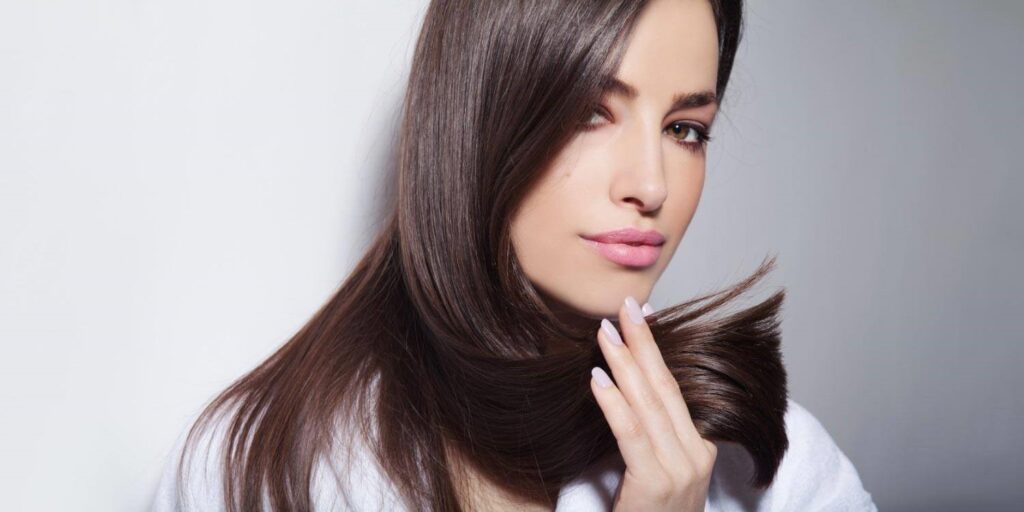
Main Signs of Damaged Hair
A single sign does not always mean severe damage, but the combination of several symptoms can indicate that the hair shaft needs more care. The most important signs are:
- Dryness and Roughness: The hair feels coarse after washing and is difficult to comb.
- Frizz and Tangles: The cuticle is irregular, and hair strands have more friction with each other.
- Breakage: Short, broken strands are seen on clothes, pillows, or while brushing.
- Split Ends: The end of the hair strand splits into two or more parts.
- Dullness and Loss of Shine: The rough surface of the hair does not reflect light evenly.
- Unusual Elasticity: Wet hair stretches too much or breaks very quickly; this condition is more common in bleached hair.
- Changes in the Scalp: Excessive oiliness, itching, redness, flaking, or pain may be related to a scalp problem and should be examined separately from the shaft.
Common Causes of Hair Damage
Hair damage usually does not have just one cause and is the result of repeating several habits. Constant use of flat irons and curling irons without heat protectant, blow-drying at very high temperatures, frequent dyeing and bleaching, tying hair tightly, sleeping with wet hair, harsh brushing, and excessive exposure to the sun or chlorinated water can weaken the cuticle. Washing with very hot water and using a shampoo that is not suitable for the scalp also increases dryness or irritation.
Hair loss is different from shaft breakage. In hair loss, the strand usually separates from the root; in breakage, the strand breaks from the middle or the end. Hormonal changes, nutritional deficiencies, stress, certain medications, and diseases can play a role in hair loss. If the hair loss is severe or sudden, instead of testing multiple products, a professional evaluation is more important.
Diagnosing Damage Type and Choosing the Right Product
| Hair Condition | Common Sign | Suggested Choice | Important Note |
|---|---|---|---|
| Dry and Rough | Dullness, frizz, and tangles | Gentle shampoo and moisturizing/softening mask | Apply the mask mostly to the hair shaft and ends. |
| Oily roots, dry ends | Rapid scalp oiliness and dry tips | Shampoo suitable for oily scalp and a lightweight mask for the shaft | Do not apply heavy masks to the roots. |
| Colored or bleached | Porosity, dryness, and brittleness | Gentle shampoo for color-treated hair and a repairing mask | Reduce the frequency of heat styling and bleaching. |
| Fine and low volume | Flat hair and rapid oiliness | Lightweight shampoo and mask that rinses easily | Too much product can weigh the hair down. |
| Curly and frizz-prone | Dryness, tangles, and loss of curl pattern | Gentle cleanser and softening mask with good slip | Detangle while wet using a wide-tooth comb. |
How to Choose the Right Shampoo?
Choose your shampoo based on the condition of your scalp, not just the appearance of the hair shaft. An oily scalp needs balanced cleansing, while a dry or sensitive scalp usually fares better with a gentler formula. Excessive lather does not necessarily mean better cleansing, and terms like “sulfate-free” do not prove the quality or suitability of a product on their own. The real result depends on the complete formula and its compatibility with your scalp.
- Apply shampoo first to the scalp and roots and massage gently with your fingertips.
- To clean the shaft, the lather produced during rinsing is usually sufficient; do not scrub the shaft vigorously.
- If you experience severe itching, burning, or dryness after washing, review the frequency of use or the type of shampoo.
- For persistent dandruff, inflammation, or thick scales, use medicated shampoo only according to the product instructions or a doctor’s advice.
How to Choose the Right Hair Mask?
Hair masks are designed primarily for the hair shaft. Thick, curly, dry, or bleached hair usually benefits from richer masks; fine hair maintains its natural volume better with lightweight masks and smaller amounts. Conditioning agents, fatty alcohols, oils, silicones, and hydrolyzed proteins can each be useful in the right formula, but excessive use of protein products can make some hair feel dry and stiff.
Follow the product label for the recommended application time. Leaving it on longer does not always yield better results. Unless the manufacturer allows application on the scalp, apply the mask from the mid-shaft to the ends and rinse thoroughly. To reduce friction after showering, do not rub the hair with a rough towel and remove excess water by gently pressing with a microfiber towel or cotton cloth.

Simple Routine for Damaged Hair Care
- Targeted Washing: Coordinate the frequency of washing with your oil levels and daily activity.
- Conditioner or Mask: Use the product on the shaft and gently detangle.
- Friction-Free Drying: Avoid twisting and vigorously rubbing hair in a towel.
- Heat Protection: Use a heat protectant product before blow-drying or ironing and choose the lowest effective temperature.
- Care for Hair Ends: A small amount of suitable hair oil, serum, or spray can reduce friction and the appearance of frizz.
- Reduce Damaging Factors: Allow enough time between coloring and bleaching sessions and do not tie hair tightly constantly.
When Should You See a Specialist?
If hair loss is sudden, patchy, or increasing; if the scalp has sores, pain, discharge, inflammation, or severe itching; or if hair changes are accompanied by fatigue, weight loss, menstrual changes, or other general symptoms, do not delay visiting a doctor or dermatologist. Cosmetic and care products are useful for improving the appearance of the shaft, but they do not replace a medical diagnosis.
Frequently Asked Questions
Can damaged hair be fully repaired?
The hair shaft is not living tissue; therefore, split or severely damaged parts do not return to their original state. Care products can make the hair surface appear smoother, softer, and more resilient and reduce further damage. Regular trimming of damaged parts is also helpful.
How many times a week should we use a hair mask?
For most people, once or twice a week is a good starting point, but the manufacturer’s instructions, hair thickness, dryness level, and washing frequency are determining factors. If hair feels heavy, dull, or gets oily quickly, reduce the amount or frequency of use.
Does hair oil replace a mask?
Not always. Oil primarily reduces friction and moisture loss and helps with shine, while a mask offers a combination of conditioning and care ingredients in a rinse-off formula. Depending on hair needs, both can be used in appropriate amounts.
Conclusion
Choosing the right shampoo and hair mask starts with recognizing the difference between the scalp and the hair shaft. Choose shampoo based on scalp oiliness, dryness, or sensitivity, and choose the mask based on the thickness, porosity, and damage level of the shaft. Simultaneously, reduce heat, bleaching, friction, and tight hairstyles. If you have severe or unusual symptoms, seek professional evaluation instead of constantly changing products.
This content is for educational purposes and does not replace medical diagnosis or treatment.