Home / Editorial guide

There is no reliable single-step test for genuine cosmetics. A barcode can be copied, a batch code can be imitated, and regional packaging changes do not automatically mean a product is fake. The strongest consumer approach combines seller traceability, a match to the manufacturer’s current product details, appropriate labeling, intact packaging and clear support if a problem occurs. Counterfeits may involve unknown formulations or contamination, but the actual risk of a particular item cannot be established without evidence or testing.
Why cosmetic authenticity matters
Makeup and skincare come into contact with the face, lips and the delicate area around the eyes. Reliable manufacturing, clear instructions, traceable supply and appropriate storage all matter. A falsely branded product can make it difficult to confirm ingredients or identify a party responsible for quality complaints. Skin irritation or infection risks depend on the actual formulation and handling.
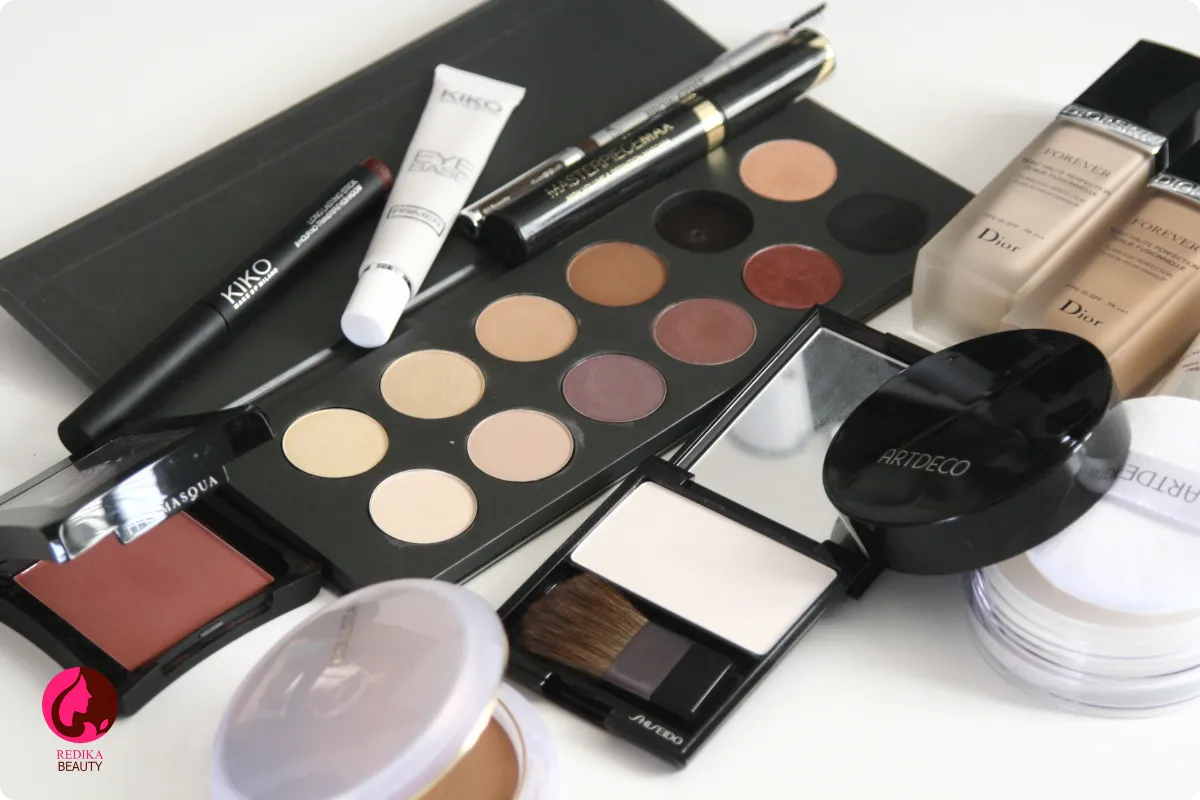
Genuine does not mean universally non-irritating. Legitimate cosmetics can cause reactions in sensitive individuals. Stop using a product if persistent redness, burning or itching appears and seek professional advice for significant symptoms.
Can the first barcode digits reveal where a cosmetic was made?
No. GS1 states that the prefix of an EAN/GTIN number identifies the GS1 member organization that allocated it, not the actual manufacturing country. A lipstick with a prefix associated with one country may have been made elsewhere. Claims that the first three digits prove a mascara was made in China or the US are incorrect.
A barcode helps identify a commercial item but may also be reproduced on counterfeit packaging. Read the actual country-of-origin label and other traceable manufacturer or importer details instead.
Batch codes, serial numbers and QR links
A batch or lot number generally helps identify a manufacturing run for quality and traceability. Some brands also use serial codes or online verification methods, but code formats differ. Their presence is not an authenticity guarantee because a copied genuine code may be printed on multiple fake items.
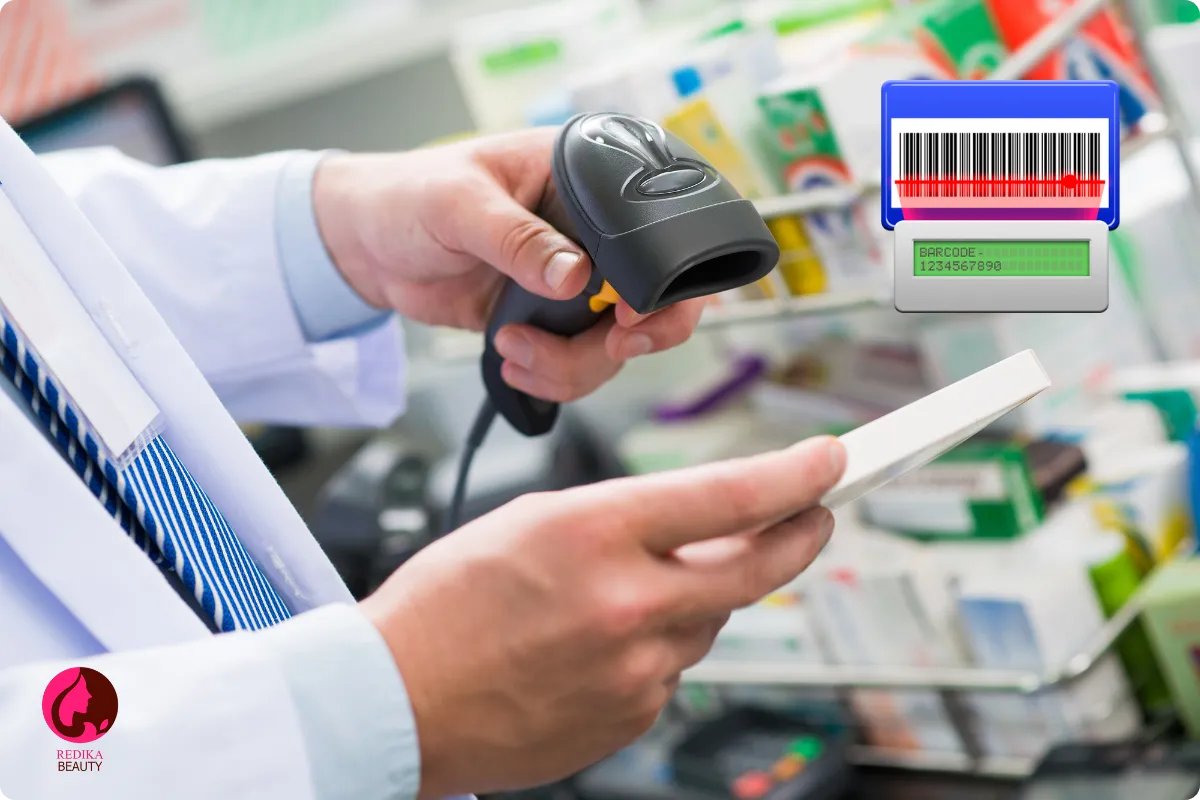
If the brand provides an official verification service, open it through its verified website or an authorized contact. A QR link is only useful when its destination domain is genuinely associated with the brand.
Packaging, seals and legitimate regional differences
Compare the exact product name, volume, shade, ingredient list, required warnings and responsible business information against the official version for that market. Spelling mistakes or inconsistent printing may deserve investigation, but brands frequently redesign packaging and sell different variants in different countries.
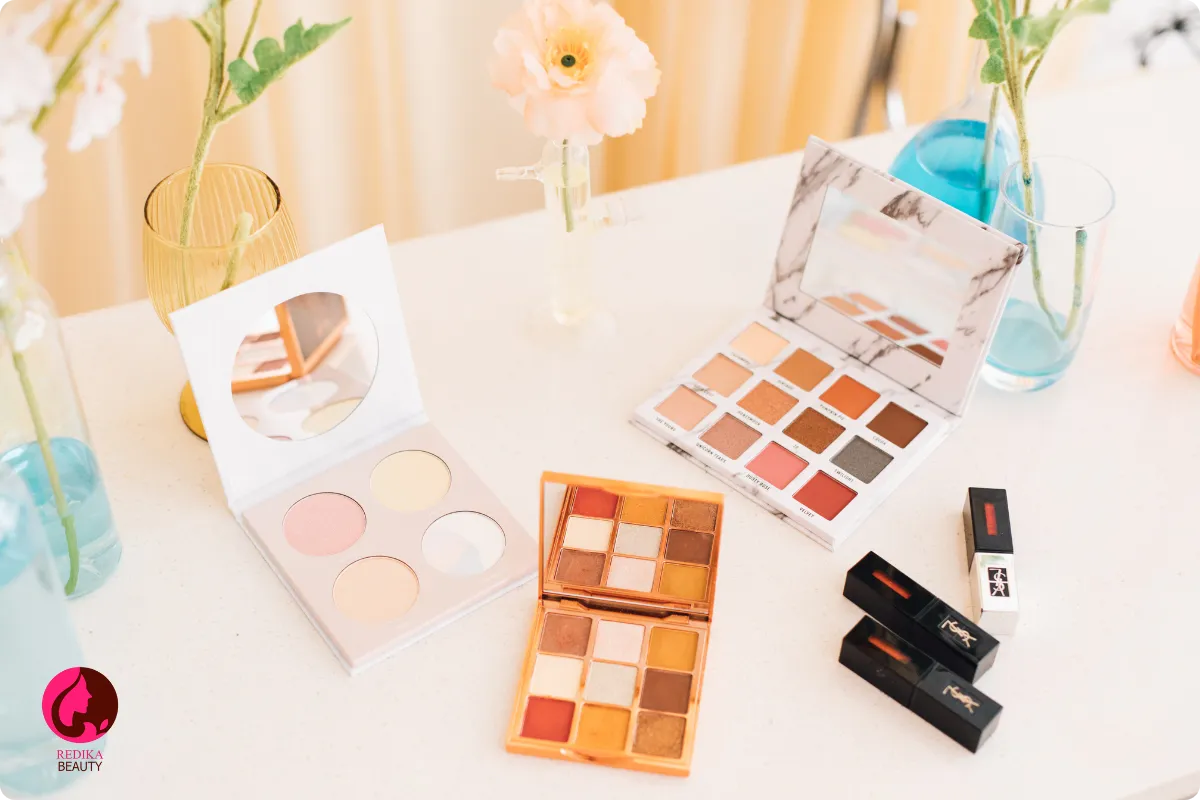
Broken seals, leaks or obviously missing information are reasons to stop and ask the seller for clarification. Premium-looking packaging is not proof of authenticity.
Does an unusually low price mean a cosmetic is fake?
No. Legitimate discounts, regional pricing, inventory clearance, taxes and currency differences all affect price. A price far below the regular price is a warning sign that merits investigation, not a final verdict. A high price likewise does not guarantee the product is genuine.
Compare the same size, shade and edition with several traceable suppliers. Ask how the seller sources the product and whether documentation or after-sales support is available.
Can smell or texture verify authenticity?
An unusual smell, phase separation, unexpected color, mold or texture change can suggest deterioration or storage problems. They cannot confirm whether the brand identity is real. Some legitimate products are unscented or vary slightly after reformulation.
Do not perform an unsafe sensory ‘test’ around the lips or eyes on a suspicious item. Treat an unexpected change as grounds to pause use and contact a reliable seller or the brand.
Lead in lipstick: what evidence actually shows
It is incorrect to assert that every counterfeit lipstick contains hazardous levels of lead or inevitably causes specific cancers. Reliable determination of lead concentration requires validated laboratory testing. The US FDA has measured lead as an impurity in hundreds of cosmetics and published findings and guidance on limits.
Those surveys cannot prove that a particular suspected counterfeit is safe or dangerous. Rely on official alerts, laboratory results and recalls rather than viral home tests or frightening unsupported statistics.
Shelf life, PAO labels and storage
Check expiry information where provided, period-after-opening symbols such as 6M or 12M where applicable, batch code and container integrity. Requirements differ by region; for example, the US does not generally require a printed expiry date for every cosmetic. Heat and moisture can also affect genuine cosmetics.
Avoid items with signs of contamination or leakage. Eye makeup needs extra care: do not add water or saliva to dry mascara and do not share potentially contaminated eye products.
How to buy genuine makeup online
Choose retailers with a traceable business identity, real contact methods, accurate listings, receipts, clear returns information and a workable complaint process. If a brand lists authorized sellers, use that resource. Be cautious of payment requests outside recognized checkout systems.
For transaction safety see Redika’s guide to buying cosmetics online, which compares delivery and payment risks.
A simple authenticity checklist
Match the exact product name, shade and size to official information. Read the ingredient list and instructions; check the seller and returns policy; investigate suspiciously low prices without automatically deciding the item is fake; then examine the seal and packaging on delivery.
For a brand-specific comparison and regional formula differences, see Redika’s Neutrogena guide. If serious doubts remain, do not use the product until the seller or brand supplies a credible answer.
What cosmetic authenticity clues can and cannot tell you
| Clue | Useful for | Does not prove |
|---|---|---|
| EAN/GTIN barcode | Comparing a product identifier | Country of manufacture or authenticity |
| Lot or batch code | Tracing a production run | Genuineness on its own |
| Brand-specific QR | Accessing a verified official tool | That every linked website is trustworthy |
| Packaging and seal | Spotting damage or discrepancies | That no counterfeiting occurred |
| Price | Prompting further seller checks | Fake status from cheapness alone |
| Unusual scent | Flagging possible deterioration | Product identity through chemistry |
Frequently asked questions about genuine cosmetics
Do the first barcode digits show a product’s manufacturing country?
No. GS1 prefixes identify the numbering organization, not where a cosmetic was produced.
Do batch codes and QR links guarantee authenticity?
No. Codes can be copied; use official verification and traceable seller information together.
Does every counterfeit lipstick contain dangerous lead?
That cannot be established for an individual product without reliable laboratory analysis.
Can original cosmetics still trigger allergies?
Yes. Legitimate products can cause individual reactions to fragrances, preservatives or other ingredients.
What should I do if I suspect my mascara or foundation is fake?
Pause use, retain receipts and packaging, check the seller or brand through official channels and seek medical advice for concerning symptoms.
Official and evidence-based sources
About the author

Join the conversation
Share your experience or question with REDIKA readers.
Your email stays private. Please avoid sharing personal or sensitive details.


