Home / Editorial guide


Kojic acid is a fermentation-derived ingredient used in skincare to address the appearance of dark spots and uneven tone. It inhibits tyrosinase, an enzyme involved in melanin production, but does not guarantee a cure for melasma, acne marks or wrinkles. Irritation and contact allergy are possible, and outcomes depend on the complete formulation and consistent sun protection. This Redika guide explains the chemistry, evidence, European Union’s 1% restriction, derivatives and practical precautions.
What is kojic acid? Origin, structure and chemistry
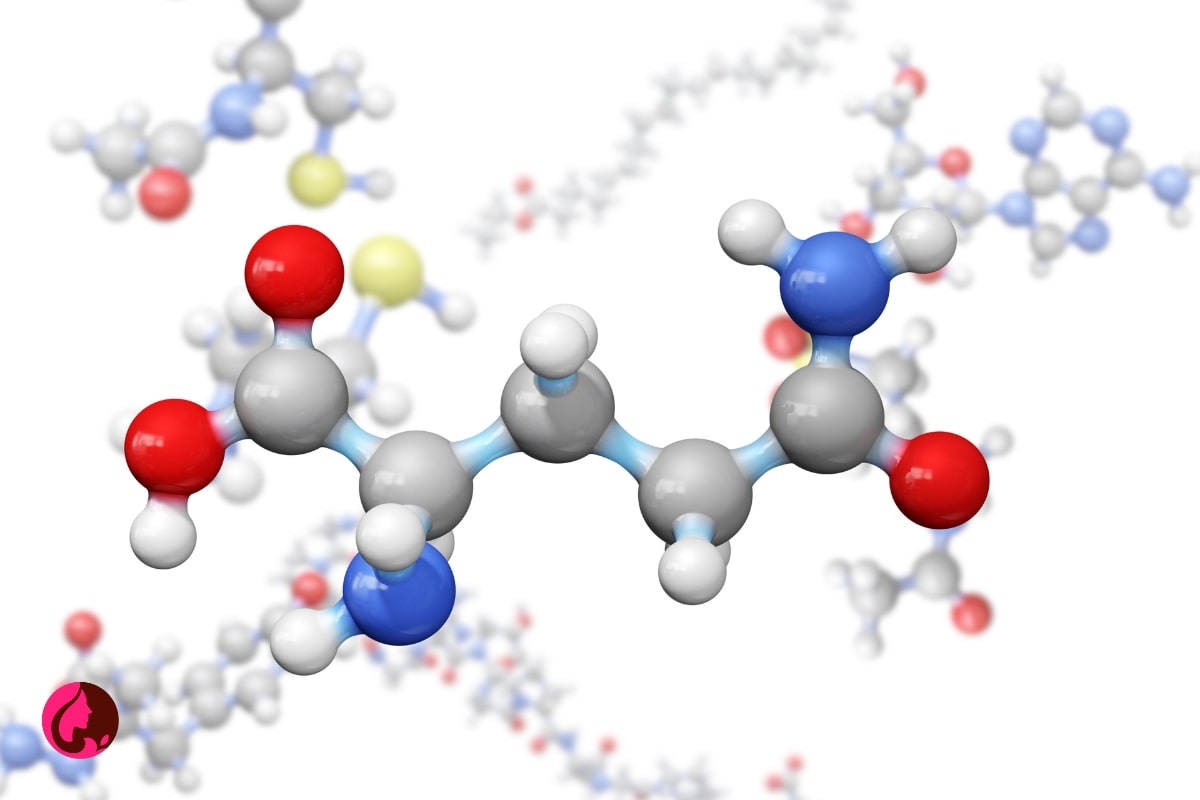
Kojic acid is an organic pyranone with molecular formula C6H6O4, approximate molecular weight 142.11 g/mol and CAS number 501-30-4. Its systematic name is 5-hydroxy-2-(hydroxymethyl)-4H-pyran-4-one. It has a six-membered oxygen-containing ring, not the five-carbon ring sometimes claimed in older articles. PubChem.
Fermentation sources and industrial quality
Some fungi including Aspergillus oryzae produce kojic acid. Its name is linked with Japanese koji fermentation traditions. Industrial production requires controlled cultivation, isolation and purification. A purified cosmetic ingredient does not necessarily contain living fungi. Neither “natural” origin nor the word “fermented” proves a product cannot cause irritation.
How kojic acid acts on dark spots
Melanocytes manufacture melanin using a pathway in which tyrosinase is important. Kojic acid inhibits this enzyme and may therefore reduce the appearance of certain hyperpigmented patches. The effect varies with the underlying pigment condition, formulation, duration of use, skin response and exposure to sunlight.
Which pigmentation concerns might benefit?
- Post-inflammatory hyperpigmentation (PIH), once the original acne or inflammation is controlled
- Some sun-related uneven pigmentation, alongside diligent photoprotection
- Melasma as part of a clinician-guided regimen; recurrence is common
Kojic acid is not a universal solution for all spots. A new, rapidly changing or atypical pigmented lesion needs medical assessment rather than trial-and-error lightening products.
Realistic skincare benefits and unproven claims
Improving the look of discoloration
Some topical formulations containing kojic acid have been investigated for pigmentation concerns. But evidence on a combination cream cannot prove the same result for any untested product, and more kojic acid does not necessarily mean better results.
Anti-aging, wound-healing and antimicrobial claims
Laboratory findings concerning antioxidant or antimicrobial activity do not establish that a cosmetic kojic acid serum treats fungal infections, wounds, acne or deep wrinkles in humans. Its most recognized cosmetic role is pigmentation management. Use appropriate medical treatment for infections and inflammatory skin disease.
What concentration of kojic acid is permitted in the EU?
The European Union’s Regulation (EU) 2024/996 restricts kojic acid to a maximum of 1% in face and hand cosmetics used for skin lightening, following the European Commission Scientific Committee on Consumer Safety (SCCS) evaluation. It is inaccurate to describe “1–2%” as a universal legally accepted range. Other jurisdictions and other chemical derivatives may have distinct rules. SCCS scientific opinion.
The 1% cap is a regulatory limit for a specified cosmetic use, not instructions to mix one part raw powder into a homemade serum. Product safety also depends on formulation and exposure. Strong peels and combining multiple untested brightening products can increase irritation.
Kojic acid versus kojic dipalmitate
Kojic dipalmitate is a different ester derivative sometimes chosen for formulation or stability properties. It should not automatically be assumed more potent, less irritating or subject to the identical legal limit as kojic acid. A claim of clinical superiority needs evidence for the exact ingredient and finished product.
| Feature | Kojic acid | Kojic dipalmitate |
|---|---|---|
| Chemical identity | Parent kojic acid | Different ester derivative |
| Typical use | Pigmentation-focused skincare | Certain cosmetic formulations |
| Clinical efficacy | Depends on actual product | Not automatically stronger or equivalent |
| EU rules | Specific 1% limit for specified facial/hand uses | Assess separately under applicable law |
How to use kojic acid in a skincare routine
- Choose a ready-made product from a reputable manufacturer rather than applying raw kojic acid powder.
- Follow the label and introduce it gradually; twice-daily use is not automatically suitable for everyone.
- Check tolerance on a small area before applying widely, particularly with reactive skin.
- Use moisturizer and broad-spectrum SPF 30+ sunscreen consistently, especially when managing dark spots.
- Stop using the product if burning, significant redness, persistent itching or peeling develops and seek professional advice if needed.
Try not to start multiple strong acids or retinoids during the same week. See Redika’s skincare routine order guide for basic sequencing.
Can kojic acid be used with niacinamide, vitamin C or azelaic acid?
Niacinamide, vitamin C and azelaic acid address uneven tone through different pathways. Some finished products combine them, but tolerance depends on the full formula, pH and concentration. Layering multiple strong actives without a plan can cause irritation and even worsen post-inflammatory pigmentation. A simple routine and sunscreen often matter more than the number of products.
For a closer comparison of brightening ingredients and product options, read Redika’s guide to the best dark spot serums.
Side effects and special situations
Contact dermatitis and irritation
Dryness, stinging, redness, itching and allergic contact dermatitis are possible. Avoid application to broken or intensely inflamed skin. If the product reaches the eyes, rinse thoroughly and seek advice for persistent symptoms.
Pregnancy and breastfeeding
Dedicated safety evidence for kojic acid during pregnancy and breastfeeding is insufficient to recommend it universally. Consult the maternity-care clinician about the full product rather than assuming a fermentation-derived ingredient is safe. Read Redika’s pregnancy skincare guide for broader precautions.
Higher risk of post-inflammatory dark marks
Overuse may provoke irritation, particularly in reactive or pigment-prone skin. That inflammation can make uneven tone worse. Product tolerance, a basic moisturizer and daily sun protection are essential.
How long does kojic acid take to show results?
Skin-tone changes, where they occur, are gradual. Assessment may take several weeks to months depending on pigment depth, sun exposure, the whole regimen and individual skin response. There is no scientifically reliable “seven-day whitening” guarantee. Persistent or changing spots warrant professional assessment.
Is kojic acid useful for dandruff, scalp fungus or hair growth?
Reliable clinical evidence is lacking for kojic acid as an effective dandruff treatment, scalp antifungal medicine, hair-loss therapy or hair-growth stimulant. Laboratory antimicrobial activity does not prove a shampoo will treat human disease. Recurrent dandruff or unusual hair loss should be assessed and managed with appropriately supported treatment.
How to choose a kojic acid cosmetic product
| Buying criterion | Why it matters |
|---|---|
| Exact INCI ingredient and any stated strength | Confirm material identity and applicable local rules |
| Product type and contact duration | Soap, wash, serum and cream are not interchangeable |
| Other actives, acids and fragrance | These may affect skin irritation risk |
| Manufacturer and seller credibility | Avoid uncertain or counterfeit products |
| Sun protection and barrier care | Important for sustainable pigmentation management |
Reject claims that one soap permanently removes every dark spot, cures fungal infections or stimulates hair follicles. A higher-strength product is not automatically a safer or better choice.
Frequently asked questions
What is kojic acid?
A fermentation-derived compound with formula C6H6O4 that inhibits tyrosinase and is used in products for uneven pigmentation.
Can kojic acid help acne marks or melasma?
It may help in certain topical formulations, but results vary and sunscreen plus appropriate diagnosis are essential.
What kojic acid concentration is allowed in the European Union?
For specified skin-lightening cosmetics for face and hands, EU Regulation 2024/996 sets a maximum of 1%. Other markets may differ.
Is kojic dipalmitate stronger than kojic acid?
Not necessarily. It is a different derivative requiring independent assessment of safety and efficacy.
What are the side effects of kojic acid?
Stinging, dryness, redness or allergic contact dermatitis can occur. Stop if there is significant irritation.
Is kojic acid safe during pregnancy?
Specific safety evidence is limited, so discuss the exact cosmetic product with a pregnancy-care clinician.
Does kojic acid promote hair growth?
Reliable human clinical evidence for treating hair loss, dandruff or stimulating growth with kojic acid is lacking.
How soon will I see kojic acid results?
Any improvement in dark marks may require several weeks or months and depends on the formula and sun protection.
Scientific and regulatory sources
About the author

Join the conversation
Share your experience or question with REDIKA readers.
Your email stays private. Please avoid sharing personal or sensitive details.


