Home / Editorial guide

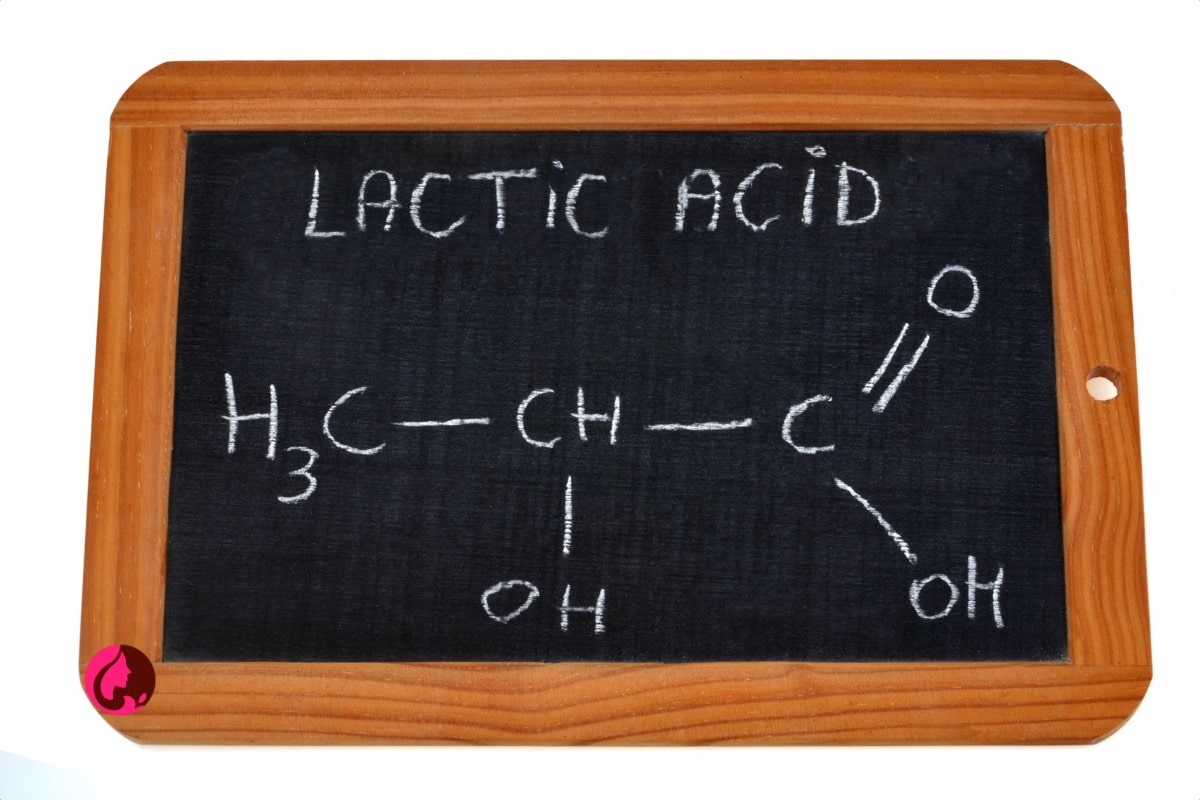
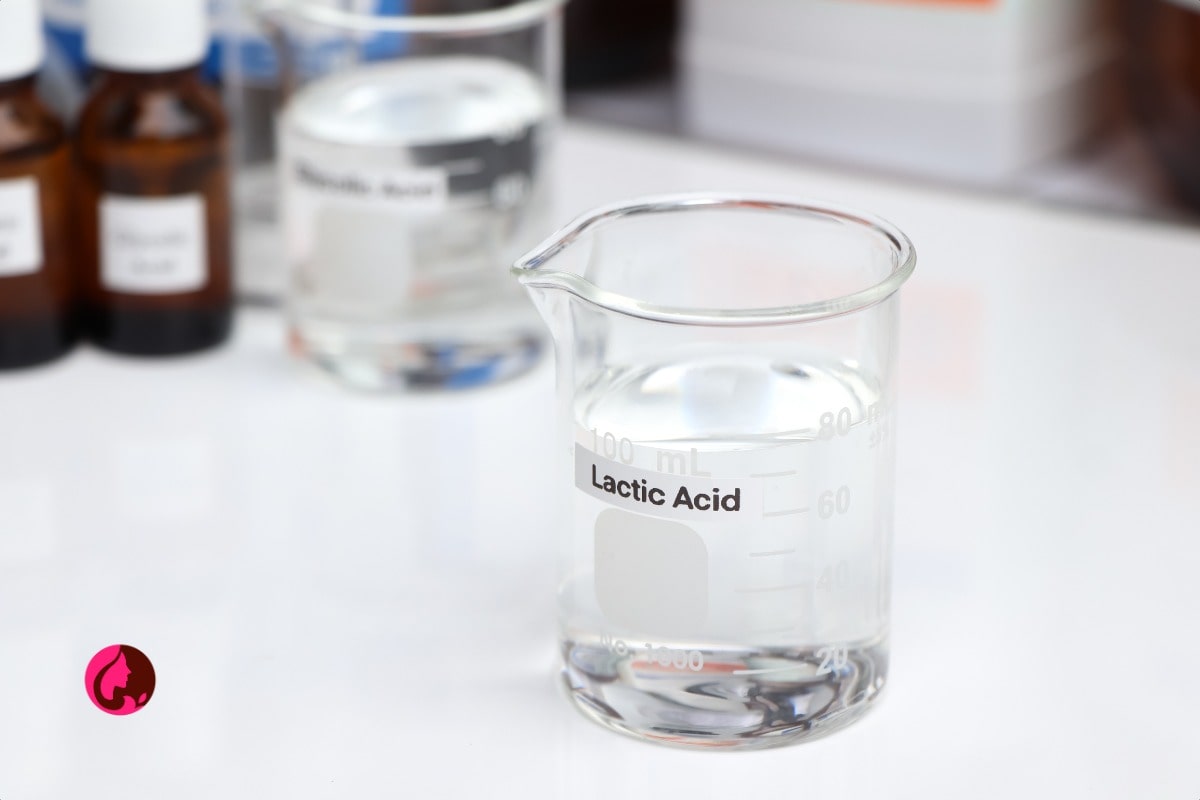
Lactic acid is an alpha hydroxy acid (AHA) used in some skincare serums, toners, creams and body lotions to help exfoliate the outer layer of skin. Certain formulas can improve the feel of rough or dull skin and may also support moisture retention. But lactic acid is not a guaranteed cure for acne, hyperpigmentation, wrinkles or keratosis pilaris. Its effectiveness and potential to irritate depend on the entire formula, including concentration, pH, frequency and the condition of the skin barrier.
What is lactic acid, and is it the same as lactate in the body?
Lactic acid is an organic alpha hydroxy acid associated with fermentation and certain metabolic pathways. It can also be manufactured for cosmetic use. The fact that lactate participates in normal metabolism does not mean the body needs yogurt or other fermented foods to provide the skin with a topical exfoliant.
Dietary lactic acid, lactate formed during exercise and professionally formulated topical AHA products are not interchangeable in how they reach the skin or work. Eating dairy does not reproduce a facial peel.
How does lactic acid exfoliate skin?
Skin cells in the stratum corneum naturally shed over time. AHAs can help reduce the bonds between surface cells and promote their removal, which may improve the appearance of roughness or dullness. This is a process at the skin’s surface, not immediate regeneration of living tissue.
More exfoliation is not necessarily better. Excess use can lead to burning, flaking, dryness and a compromised skin barrier.
Lactic acid for dry and dull-looking skin
Depending on the formulation and how the acid is buffered, lactic-acid products may also aid moisture retention in the outer skin layer. Some people notice softer texture and a more even-looking surface with appropriate use, while very dry or damaged skin may first need a gentle, non-exfoliating moisturizer.
If skin becomes tighter, redder or more irritated, stop the exfoliant and return to basic care. An INCI label listing lactic acid does not necessarily mean a product functions as a strong peel.
Does lactic acid help keratosis pilaris?
Keratosis pilaris causes small rough bumps, often on the upper arms and thighs, as keratin collects around follicles. The American Academy of Dermatology lists moisturizers and keratolytic products containing lactic acid, urea or similar actives among possible management measures.
Such products do not permanently cure keratosis pilaris. Maintenance may be necessary, improvement can take several weeks, and harsh scrubbing or excessive acid can make irritation worse.
Can it treat acne, dark spots or rough texture?
Gentle exfoliation may improve superficial uneven texture or dullness for some people. However, lactic acid is not a replacement for diagnosis-based treatment of inflammatory acne, melasma or persistent pigmentation. Salicylic acid is a different active often used in formulations targeting oily skin and clogged pores.
Aggressive peeling can worsen post-inflammatory hyperpigmentation, particularly in skin prone to marks after irritation. For a comparison of ingredients see Redika’s salicylic acid guide.
Lactic versus glycolic and salicylic acid
Lactic and glycolic acids are both AHAs that work primarily on surface exfoliation; salicylic acid is commonly classed as a BHA and is used in certain oily- or acne-prone-skin products. Some comparative studies have found specific lactic-acid forms less irritating than glycolic acid at equivalent tested conditions, but this does not mean every lactic-acid product is automatically gentler.
The actual pH, concentration, delivery system and individual tolerance matter more than a single ingredient name.
What percentage and pH are appropriate?
The FDA summarizes a safety review in which certain consumer AHA cosmetics containing lactic or glycolic acid were considered suitable under defined conditions: no more than 10% AHA, final pH of at least 3.5, and suitable instructions or measures for sun protection. These review conditions are not a personal dosage recommendation or a guarantee that every 10% serum will suit every face.
Not all products must contain at least 5% lactic acid; it may also serve formulation or pH-adjusting functions at lower amounts. Do not use concentrated professional chemical peel solutions at home without qualified supervision.
How to introduce lactic acid into a skincare routine
Follow the actual product’s instructions and introduce leave-on exfoliants cautiously. If the label allows, starting with infrequent evening applications can make it easier to judge tolerance. Apply to the indicated areas, avoid eyelids and broken skin, and follow with appropriate moisturizing.
Avoid starting several strong actives, retinoids or exfoliants at the same time. Severe burning, blistering and lasting redness are not normal adjustment effects. Redika’s hyaluronic acid guide explains how hydration differs from exfoliation.
Why sunscreen matters with AHAs
The FDA has reviewed evidence that AHA skincare can increase sensitivity to ultraviolet radiation and sunburn. It recommends sun protection, protective clothing and limited exposure while using these products and for a week after stopping them. Lactic acid itself is not a UV filter.
Use broad-spectrum SPF 30 or higher appropriately, and reapply when outdoors according to the sunscreen instructions.
Side effects and when to be cautious
Possible adverse effects include stinging, dryness, redness, flaking, photosensitivity and, with overly concentrated or misused peels, chemical burns. Active eczema, irritated rosacea, open wounds or an impaired barrier may increase intolerance. Irritation can also lead to dark post-inflammatory marks in susceptible skin.
If pregnant or breastfeeding, using prescription topical medication or managing a skin condition, discuss new acids with a suitable clinician. The FDA warns that high-strength chemical peeling products sold for unsupervised home use can cause serious injuries.
Can lactic acid be combined with retinol or benzoyl peroxide?
Combining several active ingredients is not universally forbidden, but putting an AHA, retinoid, benzoyl peroxide and other acidic formulas into the same routine can overwhelm some skin types. Separating application days or using fewer actives may reduce irritation, depending on the treatment plan.
If you use prescription acne therapy, follow the clinician’s directions instead of a generic multi-active routine.
How to read a lactic-acid product label
Check the full INCI name, stated concentration if given, pH if disclosed, whether the product is rinse-off or leave-on, contact-time instructions, sun warnings and other active ingredients. A cleanser that uses lactic acid as a pH adjuster is different from a leave-on exfoliating serum.
Choose a product for your actual skin concern and tolerance rather than simply selecting the highest percentage. If dryness is the primary issue, a plain moisturizer may be the better starting point.
Lactic acid compared with other skincare ingredients
| Ingredient | Typical role | Main caution |
|---|---|---|
| Lactic acid (AHA) | Surface exfoliation; rough-texture care | Irritation and sun sensitivity |
| Glycolic acid (AHA) | Surface exfoliation | Tolerance depends on formula and pH |
| Salicylic acid (BHA) | Oily skin and clogged pore products | Excess use can dry or irritate |
| Hyaluronic acid | Humectant and hydration | Not an AHA exfoliant |
| Urea | Moisturizing; keratolytic at certain strengths | Can sting broken skin |
Frequently asked questions about lactic acid
What does lactic acid do for skin?
In suitable formulas it helps surface cells shed and can improve rough texture; the result depends on the product.
Does lactic acid help keratosis pilaris?
Some lactic-acid lotions are used to manage the bumps, but results take time and the condition may need maintenance.
Should I use lactic acid every night?
Not necessarily. Follow the label and your skin’s tolerance; a gradual introduction is often more sensible.
Does lactic acid make skin sensitive to the sun?
AHAs may increase UV sensitivity. Sun protection is recommended during use and for a week after stopping.
Is eating yogurt the same as applying lactic acid serum?
No. Dietary fermented food does not reproduce topical AHA exfoliation.
Scientific and regulatory references
About the author

Join the conversation
Share your experience or question with REDIKA readers.
Your email stays private. Please avoid sharing personal or sensitive details.


