Home / Editorial guide


Normal skin generally feels comfortable: it is neither persistently greasy nor routinely flaky or tight. But the word ‘normal’ does not mean skin needs no care or is immune to sun damage. For most people, a gentle cleanser, a comfortable moisturizer and broad-spectrum SPF 30 or higher protection for daytime UV exposure make a useful foundation. Toners, eye creams, hyaluronic-acid serums and masks are optional rather than compulsory. The best routine is one you can sustain, adjusting for climate, medication, age and your skin’s response.
How can you recognize normal skin?
The American Academy of Dermatology describes normal skin as generally clear and not notably sensitive, while oily skin is shiny and dry skin may be rough or flaky. Normal skin may still have visible pores, occasional blemishes or changes throughout the year; invisible pores and absolute freedom from acne are not requirements.
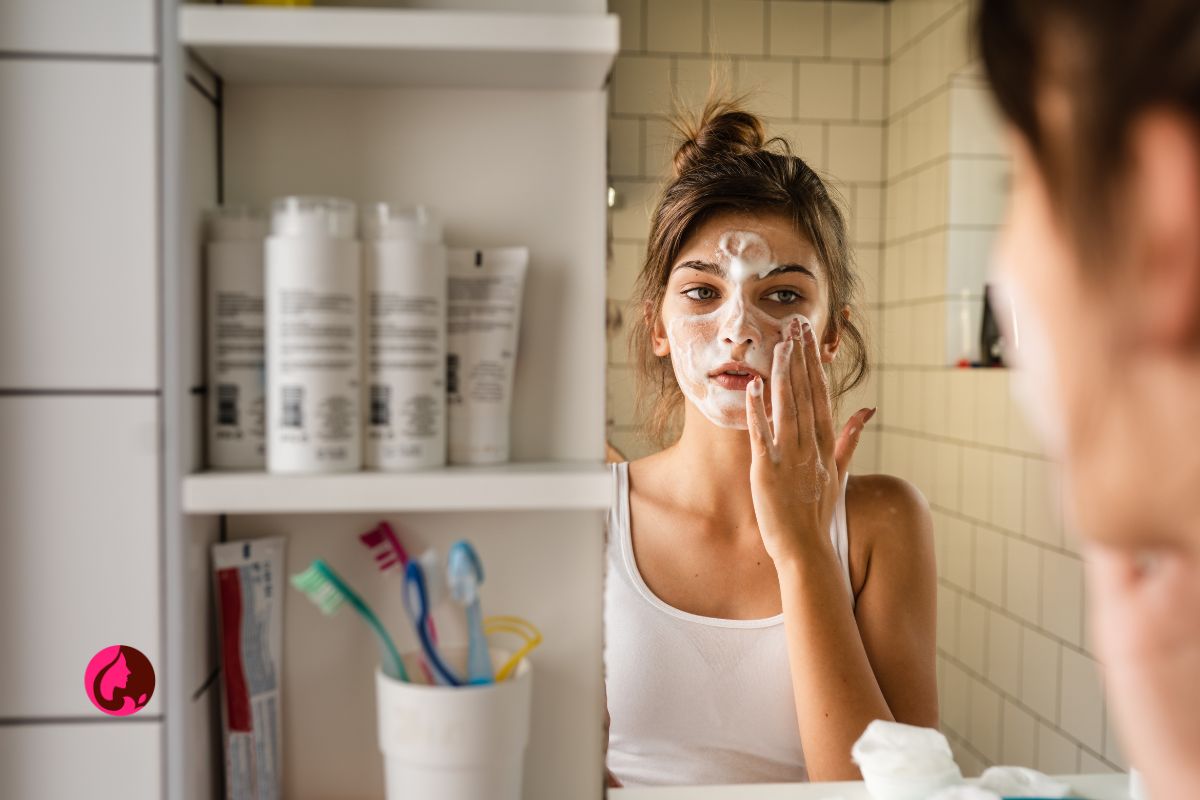
Observe your skin across several days after gentle cleansing, without assuming one ‘one-hour skin test’ is a medical diagnosis. Hormones, climate, products and medical conditions can alter its characteristics.
Strengths and limitations of balanced skin
Balanced-feeling skin may not need heavy occlusive creams or aggressive oil-control products. Nonetheless, excessive washing, hot water, low humidity and sunlight can affect any skin type. A balanced complexion can still develop dryness, irritation or sun-related pigmentation.

Protecting the existing skin barrier is more realistic than aiming for artificial, texture-free ‘glass skin’. A normal skin label does not mean multiple strong acids can be combined without consequences.
The three essential products
Start with a mild nonabrasive cleanser, a moisturizer that feels comfortable and broad-spectrum sunscreen SPF 30 or higher for exposed skin during the day. A separate makeup remover can help if you wear long-wear makeup or highly water-resistant sunscreen.

A prestige label or product marketed ‘for normal skin’ is not a guarantee of quality or tolerance. The complete formula and how your skin responds are more useful than promises of instant transformation.
Morning routine for normal skin
First, cleanse gently if needed; some people feel comfortable rinsing with water on certain mornings. Second, use a light lotion or cream where moisturizing is helpful. Third, apply adequate broad-spectrum SPF 30+ sunscreen before daytime exposure. The sunscreen generally goes after moisturizer and before makeup.

When outdoors, reapply sunscreen at least every two hours and as indicated after swimming or sweating. A higher SPF does not mean unlimited time in the sun, and protective clothing or shade still matters.
Night routine for normal skin
At the end of the day, remove makeup and water-resistant products as needed, then wash with a mild cleanser and gently pat dry. Apply a targeted medicine or serum only if you have a defined need and understand its directions. Finish with a suitable moisturizer.

A costly night cream or separate eye cream is not automatically necessary. Normal skin can do well with the same moisturizer used in the morning. Sunscreen usually is not a nighttime step.
In what order should products go on?
The AAD suggests cleansing, then applying prescribed medicine or targeted treatment, then moisturizer and daytime sunscreen; makeup comes last. A gentle toner or optional serum may be incorporated according to its specific instructions if it is useful and tolerated.

An inflexible sequence of toner, weekly scrub, five serums and eye cream is not essential. Using too many actives can irritate skin. Directions for prescribed treatments take priority over general cosmetic layering rules.
Choosing a gentle facial cleanser
A mild, nonabrasive cleanser with little or no fragrance is often suitable. Use lukewarm water and fingertips rather than harsh washcloths or face brushes. AAD guidance advises limiting washing to roughly twice daily plus after heavy sweating.
A large volume of foam or an uncomfortable tight feeling is not proof of better cleaning. If cleansing repeatedly causes dryness, adjust the formula or frequency.
How to choose a moisturizer for normal skin
Many people with normal skin do well with lotions or lighter creams. Glycerin and hyaluronic acid can act as humectants, while ceramides can support barrier function in suitable formulations. The ingredient label alone does not tell you how well the final formula will work.
Applying moisturizer to slightly damp skin can help retain water. Some people need a richer cream in dry weather or as skin changes with age, but an additional ‘hydrating serum’ is not mandatory.
Sunscreen, protection and reapplication
Skin described as normal is not protected from ultraviolet damage. Combine broad-spectrum SPF 30 or higher sunscreen with shade and protective clothing. Cover commonly missed exposed areas, including ears and neck.
The FDA advises reapplication at least every two hours outdoors and more often after swimming or sweating, following the product label. This should not be misrepresented as an identical two-hour schedule for everyone sitting indoors away from sunlight.
Do toner, micellar water and serums help?
Micellar water can remove certain makeup and surface residues; it is not a required step for ‘feeding’ skin. Toner may simply hydrate or may contain active exfoliants depending on its formula. Hyaluronic-acid serum may improve hydration in certain products but is optional if moisturizer already meets your needs.
Avoid adding vitamin C, niacinamide, retinol and multiple acids at once without a defined reason. Introduce unfamiliar products separately and monitor tolerance.
Eye cream and lip balm: optional extras
The skin around the eyes is delicate, but a suitable bland moisturizer may be sufficient. A dedicated eye cream is not a compulsory purchase for every adult. A simple lip balm may help with dryness; an SPF lip balm is useful when lips are exposed to sunlight.
Persistent eyelid irritation or dark circles with concerning symptoms should be discussed with a clinician, not promised a universal cosmetic cure.
Do men and women need different routines?
The foundation of cleansing, moisturizing and UV protection is shared across genders. Individual differences such as shaving, beard hair, long-wear makeup, work outdoors, hormones and sensitivity matter more than a label saying ‘men’s’ or ‘women’s’.

A person who shaves may benefit from a non-stinging fragrance-free formula; a makeup user may need an effective remover. Neither automatically needs several additional products.
Is weekly exfoliation necessary for normal skin?
No. Normal skin without a particular concern generally does not require a fixed weekly scrub. AHAs and BHAs may help targeted concerns but can irritate the skin barrier when overused, especially with retinoids or other active treatment.
For an ingredient comparison see Redika’s lactic acid guide. If you use prescribed treatment, ask before adding exfoliating acids.
Summer adjustments
Warm and humid days can make lighter moisturizers more comfortable. Washing gently after heavy sweating may be useful. SPF application and other sun-protective measures are especially important for outdoor activity, travel and swimming.
Do not start strong exfoliation just because it is summer. Avoid sunburn, protect products from excess heat and account for irritation caused by other skin actives.
Autumn and winter care
Cool weather, dry air and indoor heating may make even normal skin feel tighter or drier. Consider reducing harsh cleansing, avoiding very hot water and switching to a somewhat richer moisturizer as needed.
Moisturize while skin remains slightly damp. Cloudy or cold weather does not eliminate UV exposure when you spend time outside.
Spring routine
As temperatures and outdoor activity change, your preferred moisturizer texture and frequency of cleansing may change too. If your skin remains comfortable, maintaining the same three core steps is often wiser than rebuilding the entire routine.
A separate spring toner, eye cream or face mask is not a medical necessity. Let actual signs of dryness, irritation or changing tolerance guide adjustments.
When normal skin changes or develops symptoms
Hormones, medications, climate and dermatological conditions can affect oiliness, dryness, redness and acne. An occasional spot does not mean a person has suddenly developed a different permanent skin type, but recurring inflammation should not be ignored.
Deep acne, persistent redness, strong itching or painful reactions deserve professional assessment. See Redika’s oily-skin and dry-skin guides for comparison.
Common mistakes and a practical starter plan
Avoid long hot-water washing, harsh scrubs, simultaneous use of several strong actives and skipping sunscreen because the skin feels balanced. Start with a gentle wash, a tolerated moisturizer and broad-spectrum sunscreen, then add a targeted product only when there is a meaningful reason.
Read Redika’s complete skincare routine guide for broader skin-type comparisons. Consistency and comfort matter more than the number or price of products.
Normal skin: morning versus evening routine
| Step | Morning | Evening | Priority |
|---|---|---|---|
| Cleanse | Gentle wash or water as needed | Remove makeup if needed, then gentle wash | Basic, adjusted to needs |
| Treatment / serum | Only for a specific goal | Only when needed or prescribed | Optional / targeted |
| Moisturize | Comfortable lotion or cream | Suitable moisturizer | Basic based on skin comfort |
| Sunscreen | Broad-spectrum SPF 30+ with daylight exposure | Usually unnecessary | Essential with UV exposure |
| Toner / micellar water | Toner is optional | Micellar water for makeup when helpful | Optional |
| Exfoliant / mask | Not routinely required | Use sparingly if indicated | Optional |
Frequently asked questions about normal skin care
What routine is enough for normal skin?
A mild cleanser, suitable moisturizer and broad-spectrum SPF 30+ protection for daytime exposure are sufficient for many people.
Does normal skin need moisturizer?
A comfortable light moisturizer can help maintain hydration; the texture should reflect your skin’s current needs.
Are toner and eye cream essential?
No. Both are optional and should be added only for a clear, tolerable purpose.
How often should normal skin sunscreen be reapplied?
When outdoors, usually at least every two hours and after swimming or sweating as the label directs.
Does normal skin need weekly exfoliation?
No fixed schedule is necessary; too much exfoliation can irritate skin.
Do men and women need different basic routines?
No. The core steps are shared; shaving, makeup, environment and sensitivity can guide individual choices.
Dermatology and medical references
About the author

Join the conversation
Share your experience or question with REDIKA readers.
Your email stays private. Please avoid sharing personal or sensitive details.


