Home / Editorial guide


Protein is essential for building and repairing body tissues, maintaining muscle, making enzymes and antibodies, and supporting normal growth. But ‘animal versus plant’ and ‘complete versus incomplete’ are not interchangeable classifications. This Redika guide explains 13 common protein categories, daily intake, food sources, exercise, pregnancy, aging and allergies, while separating established evidence from supplement marketing.
What is protein?

Proteins are chains of amino acids. The human body uses 20 standard amino acids to build different proteins; nine are considered essential because they must be obtained through the diet. Dietary proteins are digested into amino acids and small peptides and then used throughout the body. Protein provides about four kilocalories per gram, but its main importance is structural and functional rather than simply supplying energy.
Protein-containing foods also deliver other nutrients. A serving of lentils supplies fiber, while fish can supply omega-3 fats and eggs contain different vitamins. Assess the complete food, not only the protein number on its label.
Complete and incomplete proteins: understanding the terms
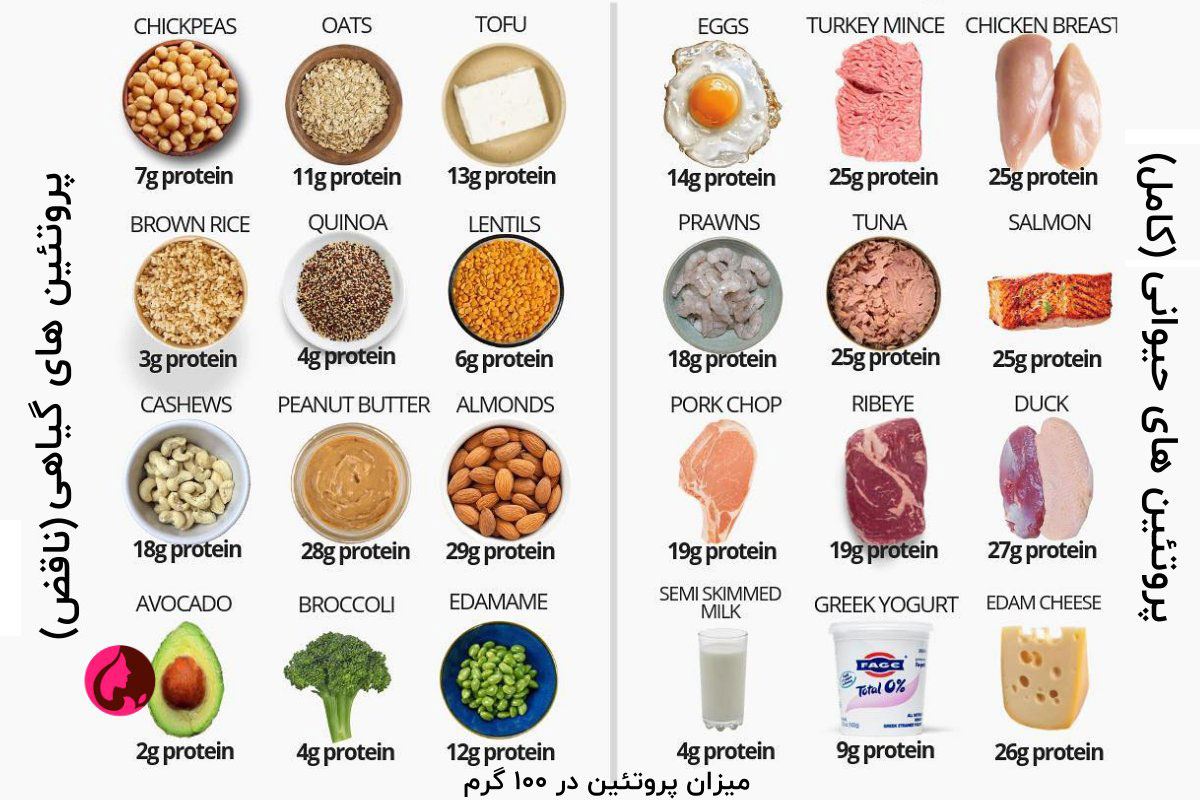
An amino-acid profile describes how much of each amino acid a food provides. ‘Complete’ and ‘incomplete’ are useful shorthand but not a verdict on a whole diet. People consuming varied foods with enough calories can meet all essential-amino-acid requirements with plant proteins, usually without combining them at every meal.
Thirteen types and sources of protein
1. Complete proteins
A complete protein supplies all nine essential amino acids in adequate proportions. Eggs, dairy, fish, meat and soy are common examples. Nutritional quality also depends on digestibility and the amount eaten.
Practical consideration: ‘Complete’ is a description of amino-acid composition, not a guarantee that one food is healthier than all others.
2. Incomplete or limiting-amino-acid proteins
Some foods contain a lower proportion of one or more essential amino acids relative to human needs. Grains tend to be relatively low in lysine, while many legumes are relatively lower in methionine.
Practical consideration: A varied plant-based diet can cover amino-acid needs across the day; complementary proteins do not have to appear in the same bite.
3. Animal-source proteins
Meat, poultry, seafood, dairy and eggs typically supply all essential amino acids. They differ substantially in saturated fat, sodium, iron, calcium and vitamin B12.
Practical consideration: Choose fish, eggs, cultured dairy and less-processed lean options according to your needs; processed meats are not equivalent to fish.
4. Plant-source proteins
Beans, lentils, chickpeas, tofu, tempeh, nuts and seeds contribute protein alongside fiber and micronutrients. Soy foods and several other plant foods have particularly favorable amino-acid profiles.
Practical consideration: Plant protein can adequately meet needs without animal foods when energy, food variety and key micronutrients such as vitamin B12 are addressed.
5. Whey protein
Whey is a milk-derived protein fraction used in foods and powders. It digests relatively rapidly and contains all essential amino acids, including leucine.
Practical consideration: Useful for convenience after exercise when meals are impractical, but not essential if normal food provides sufficient protein; unsuitable for milk-protein allergy.
6. Casein protein
Casein is the other major protein fraction of cow’s milk. It digests more slowly than whey in many settings.
Practical consideration: An optional dairy protein, sometimes used before sleep; no specific timing makes it indispensable, and milk allergy still applies.
7. Soy protein
Tofu, tempeh, edamame and soy protein isolate can provide high-quality protein with all essential amino acids.
Practical consideration: Useful in vegan diets. People with soy allergy must avoid soy ingredients; usual dietary soy consumption does not inherently disrupt hormones.
8. Pea protein
Peas and pea-protein concentrates are common ingredients in vegan powders. Their essential-amino-acid pattern differs from whey, and formulations may be blended with other plants.
Practical consideration: Potential dairy-free option, but ‘plant-based’ does not mean allergen-free; those with legume allergies should check suitability.
9. Meat proteins
Beef, lamb, poultry and other meats provide protein and varying amounts of iron, zinc and B12.
Practical consideration: Prioritize food safety, serving sizes and overall dietary pattern; heavily processed or high-saturated-fat meats have different health implications.
10. Egg proteins
Whole eggs and egg whites supply all nine essential amino acids. Yolks also contribute nutrients not found in plain egg white.
Practical consideration: A versatile protein source, but egg allergy requires avoidance. Thorough cooking reduces foodborne risk.
11. Grain proteins
Wheat, oats, rice and other grains add to daily protein intake alongside carbohydrate and fiber. Quinoa also supplies useful protein.
Practical consideration: A grain can contribute meaningfully without being a sole protein source. People with celiac disease need gluten-free alternatives.
12. Collagen proteins
Collagen is a structural protein found in connective tissue and in collagen powders. It is not a complete protein for meeting essential-amino-acid needs.
Practical consideration: Evidence for oral collagen supplements in skin and joints is mixed and does not establish universal benefits; do not replace balanced dietary protein with collagen alone.
13. Insect proteins
Insects such as edible crickets or mealworms are used as protein foods in some markets, subject to regional approval and cultural preferences.
Practical consideration: Quality, allergen labeling, food safety and sustainability vary by production method. Cross-reactivity can matter for people allergic to shellfish or dust mites.
Where can you get protein from food?
Animal food sources

Fish, poultry, eggs, milk, yogurt, cheese and moderate amounts of less-processed meat can be part of a balanced diet. Check the broader nutrient pattern: cooking methods, sodium, saturated fat and food safety also matter. Protein content varies by portion and product.
Plant food sources

Lentils, chickpeas, beans, soy products, seeds, nuts and whole grains add protein. Soy foods, legumes and varied grain combinations help cover essential amino acids. Nuts and seeds provide useful nutrients but are energy-dense, so a typical handful is not equivalent in protein quantity to a meal-sized serving of legumes.
What does adequate protein do for the body?

Muscle maintenance and training
Dietary protein supplies the amino acids needed for muscle-protein synthesis. Resistance exercise is a strong additional stimulus; protein powder alone does not create the same strength adaptations as training.
Appetite and weight management
Protein-rich meals can increase fullness compared with some lower-protein alternatives and help preserve lean mass during calorie restriction. Weight change still depends on the overall eating pattern, energy intake and sustainability; protein is not a standalone fat-loss treatment.
Immune system and healing
Antibodies, enzymes and many signaling proteins rely on amino acids. Adequate protein helps normal function and wound healing, but eating extra protein beyond needs does not guarantee immunity against infections.
How much protein do you need each day?
A commonly cited adult reference intake is approximately 0.8 grams per kilogram of body weight per day for generally healthy, nonpregnant adults. This is a baseline reference rather than an ideal personalized target for athletes, pregnant people, older adults or those with illness.
| Example body weight | 0.8 g/kg reference | 1.4–2.0 g/kg exercise range* |
|---|---|---|
| 60 kg | 48 g/day | 84–120 g/day |
| 70 kg | 56 g/day | 98–140 g/day |
| 80 kg | 64 g/day | 112–160 g/day |
| 90 kg | 72 g/day | 126–180 g/day |
*The exercise range comes from an International Society of Sports Nutrition position stand for many healthy exercising individuals; it is not a medical prescription for everyone. For kidney disease and other clinical conditions, follow individualized professional advice.
Different protein needs: exercise and meal timing
The amount of exercise, training goal, body mass, total calories and recovery demands matter. The ISSN position stand describes roughly 1.4–2.0 g/kg/day as a useful range for many exercising people. Spread protein across meals as practical. Having protein after exercise can support recovery, but the daily total and consistent strength training generally matter more than a strict ’30-minute anabolic window’.
A powder may help when daily requirements are hard to meet with food; it is not compulsory, nor does it have superior health value just because it is labelled whey or isolate.
Protein and heart health
Do not judge heart-related effects by grams of protein alone. Replacing processed meats or high-saturated-fat choices with legumes, fish, nuts and other less-processed foods can change the overall nutrient profile. Fiber, total diet quality, blood pressure, lipids and personal risk factors also matter.
Plant versus animal protein: key differences
Animal foods often deliver highly digestible protein and vitamin B12 but vary greatly in saturated fat and environmental footprint. Plant proteins frequently come with fiber and lower saturated fat, although particular products may be heavily processed or high in sodium. Combining a variety of sources over the day is more useful than labeling an entire category ‘good’ or ‘bad’.
High-protein diets, keto and Atkins

Ketogenic diets
Keto primarily restricts carbohydrate and typically raises fat intake; it is not necessarily a very-high-protein diet. It may be inappropriate for some medical conditions and deserves clinical guidance when used therapeutically.
Atkins-style diets
Some Atkins-style plans restrict carbohydrates in phases while allowing more protein and fat. Their effect depends on what foods replace carbohydrate, total calories and adherence—not the diet label alone.
Possible benefits and risks of very high intake
Higher-protein eating can help some people with satiety and muscle maintenance, but excessive focus on protein may crowd out fiber-rich foods. In healthy individuals, typical sports-nutrition ranges should not automatically be described as kidney-damaging. People with chronic kidney disease or relevant medical conditions need advice from a clinician or renal dietitian about suitable amounts. NIDDK guidance on kidney disease and protein.
Protein during pregnancy

Needs generally increase during pregnancy because maternal and fetal tissues grow. Eggs, beans, lentils, dairy, thoroughly cooked meat and lower-mercury seafood can contribute to nutrition. Avoid undercooked animal foods and high-mercury fish, and ask a qualified prenatal professional for intake goals based on stage of pregnancy, overall nutrition and health conditions. Protein supplements are not automatically necessary.
What are signs of insufficient protein?

Persistent low intake may contribute to muscle loss, weakness, poor growth in children and difficulty recovering from illness. Severe protein-energy malnutrition can cause edema and major medical problems, but fatigue, brittle hair or unexplained weight changes alone do not diagnose a protein deficiency. Seek medical evaluation if you suspect malnutrition or unexplained symptoms.
Protein and healthy aging
Older adults may benefit from attention to protein quality, sufficient energy and regular resistance or balance exercise to reduce loss of muscle function. Individual targets may be higher than the standard adult reference, but kidney function and other health conditions must guide advice. Protein alone does not prevent falls, cognitive decline or chronic disease.
Protein allergies and food safety

Animal-source allergens
Milk, eggs, fish and shellfish are common allergen sources. Symptoms can range from hives and gastrointestinal complaints to breathing difficulty. Suspected serious allergic reactions require urgent medical care.
Plant-source allergens
Soy, peanuts, tree nuts and wheat can trigger allergic reactions in susceptible people. Celiac disease is an immune-mediated reaction to gluten, not the same condition as an IgE-mediated wheat allergy. Labels, cross-contact warnings and clinical testing can help identify appropriate alternatives.
Insect proteins and cross-reactivity
Edible insect proteins may cause reactions in people with shellfish or house-dust-mite allergies. Product safety, labeling and legal availability differ by country, so use regulated products and qualified advice where needed.
Choosing protein for vegetarian and vegan diets

Beans, tofu, tempeh, lentils, seeds, grains and nuts can provide adequate dietary protein when varied across the day. You do not have to combine rice and beans in the very same meal to create ‘complete protein’ as long as total intake and diversity are sufficient. People following vegan diets should plan reliable vitamin B12 intake and consider iron, iodine, calcium and vitamin D as individually appropriate.
A practical protein checklist
- Work out what foods and portions you actually eat before considering a supplement.
- Aim for variety rather than relying exclusively on powder, red meat or a single plant source.
- Adjust your intake for physical activity, age, pregnancy or medical conditions with professional support when needed.
- Prioritize food quality, fiber, adequate calories and sustainable habits alongside the protein target.
Summary
Protein is necessary for normal body function, but the best amount and source depend on your goals, diet and health. A varied diet can supply essential amino acids from animal foods, plants or both. Redika recommends checking reliable references instead of relying on extreme claims about protein powders, exact post-workout minutes or universal high-protein diets.
Frequently asked questions
Are plant proteins enough without meat?
Yes. A varied, adequately planned plant-based diet can supply all essential amino acids; vegan diets require a reliable source of vitamin B12.
Is more protein always better for muscle growth?
No. Training, sufficient energy, overall daily protein and recovery matter; very large intakes are not automatically more effective.
Does high protein damage healthy kidneys?
Typical sports-nutrition ranges are not proven to damage kidneys in otherwise healthy exercising adults, but people with kidney disease need individualized medical advice.
When is the best time to eat protein?
Distributing it across meals is practical. Post-exercise protein can help recovery, but overall daily intake is usually more important than an exact minute.
Is collagen a complete protein supplement?
No. Collagen lacks a balanced supply of all essential amino acids and should not replace other protein sources.
How do I estimate daily protein?
Multiply body weight in kilograms by a suitable grams-per-kilogram reference; consult a professional for personalized needs.
Do pregnant people need additional protein?
Needs typically rise, but appropriate targets and food safety should be reviewed with prenatal health professionals.
References
About the author

Join the conversation
Share your experience or question with REDIKA readers.
Your email stays private. Please avoid sharing personal or sensitive details.


