Home / Editorial guide

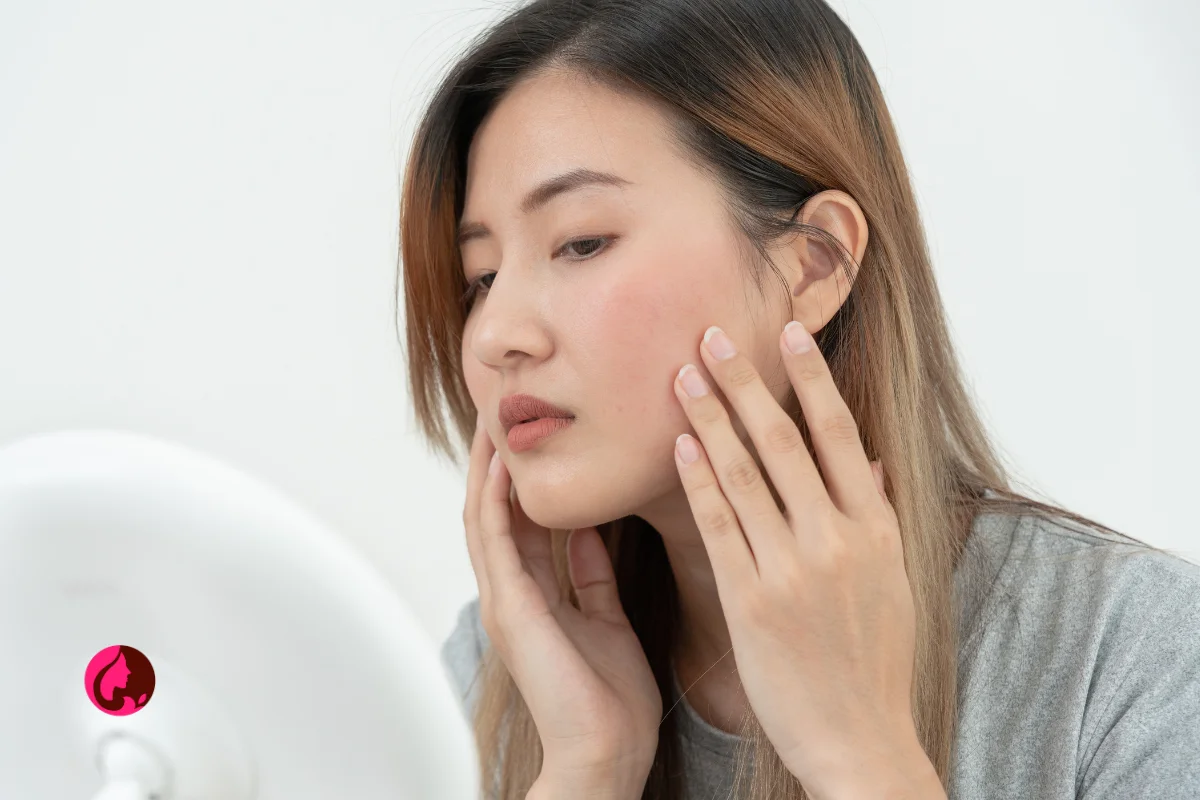
A shorter routine is often better for sensitive, reactive skin. A gentle cleanser, a compatible fragrance-free moisturizer and broad-spectrum sunscreen when exposed to daylight are the foundation. Sensitive skin may sting, itch or feel tight in response to certain products, friction or changes in weather, but these sensations alone are not a medical diagnosis. Contact dermatitis, eczema and rosacea can look similar and sometimes need specific treatment. This Redika guide explains practical skin care without pretending that cosmetics can cure every skin condition.
What does sensitive skin actually mean?
Sensitive skin describes a tendency to react to products or environmental triggers with stinging, burning, itching, tightness or visible changes. On deeper skin tones inflammation may appear brownish, purple or darker rather than bright red. Sensitivity can occur in skin that is otherwise dry, oily, normal or combination.
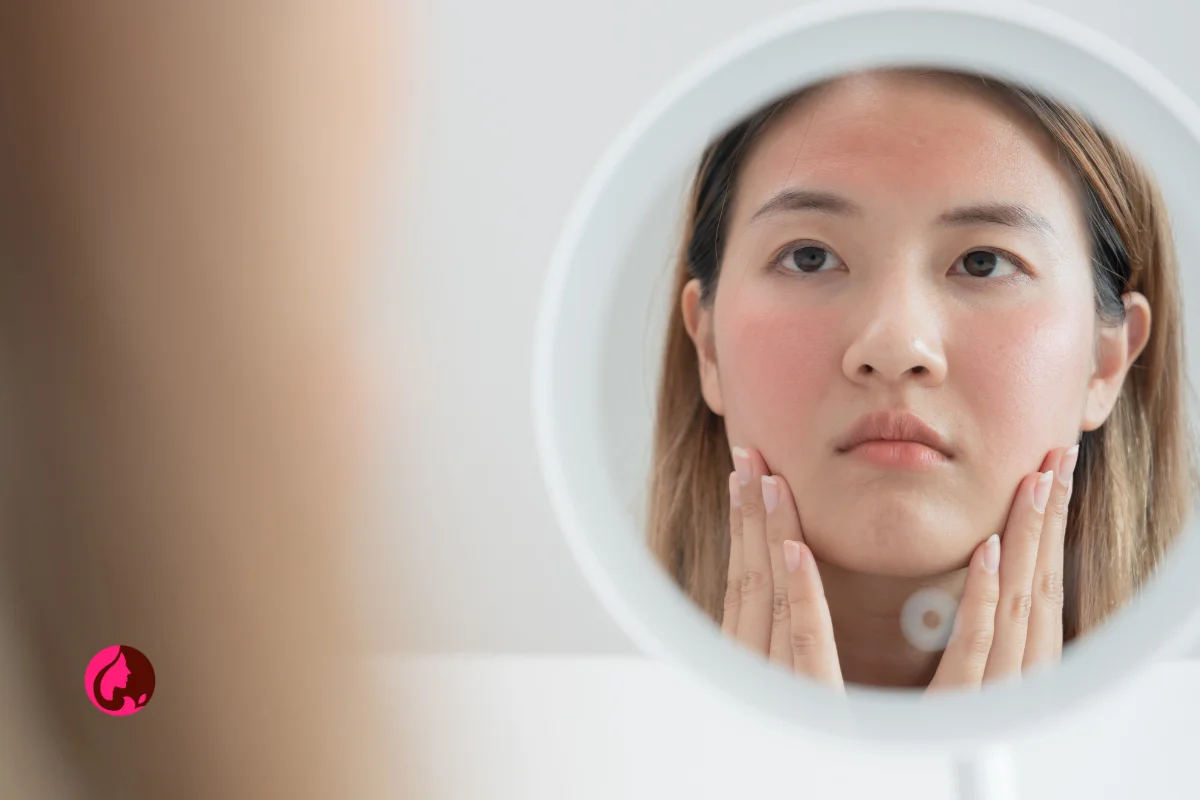
A red face one hour after washing does not reliably identify a permanent skin type. Severe, repeated or unexplained reactions warrant assessment for irritation, allergic contact dermatitis, eczema, rosacea and other causes.
Sensitivity versus allergy, eczema and rosacea
Irritant contact dermatitis can follow harsh detergents or repeated wet work. Allergic contact dermatitis involves an immune response to a specific substance such as a fragrance or preservative. Eczema often involves itchy, dry, inflamed skin, while rosacea may involve flushing, persistent facial redness or inflammatory bumps.
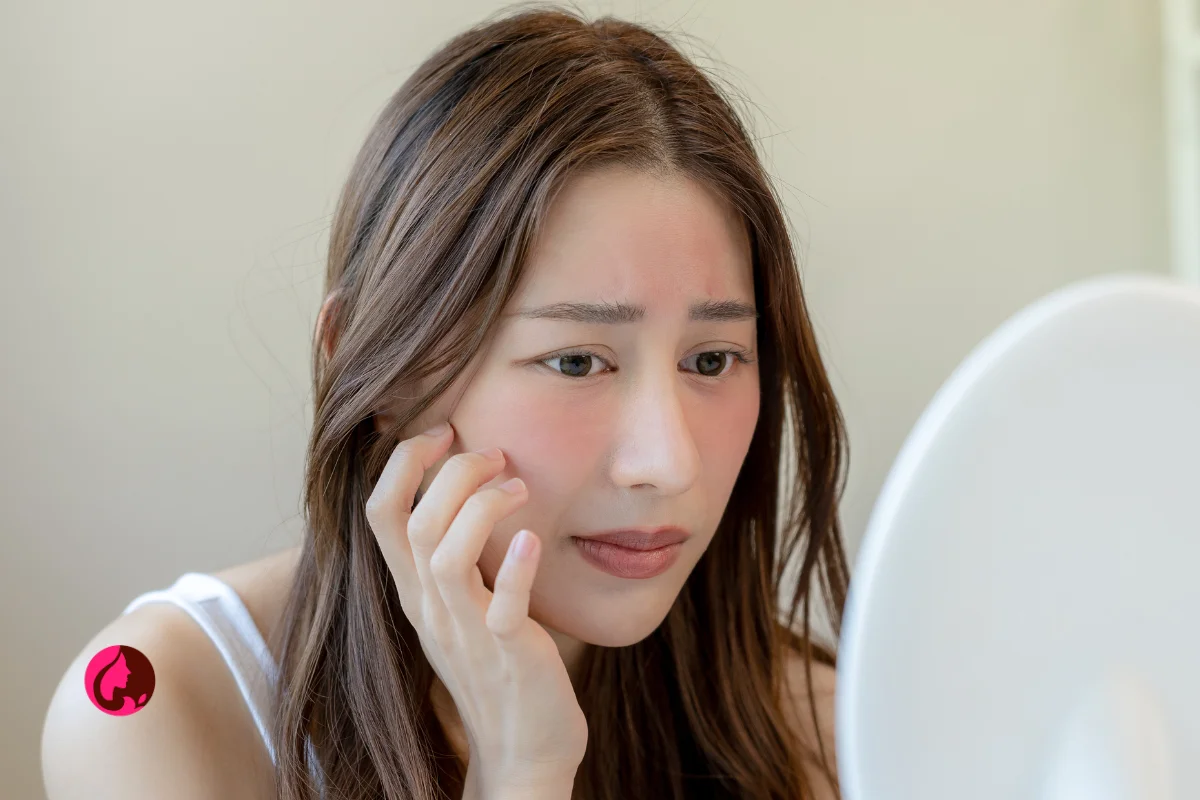
These are not interchangeable diagnoses. When a reaction repeatedly recurs, a dermatologist may recommend clinical patch testing to identify a contact allergen; an at-home cosmetic trial is not the same test.
Three essentials for a sensitive skin routine
Start with a mild nonabrasive cleanser, a moisturizer labeled fragrance-free and broad-spectrum SPF 30 or higher sunscreen for daytime UV exposure. A compatible makeup remover is useful if you wear heavy or water-resistant makeup. Separate toner, facial mask, eye cream and multiple serums are not required.
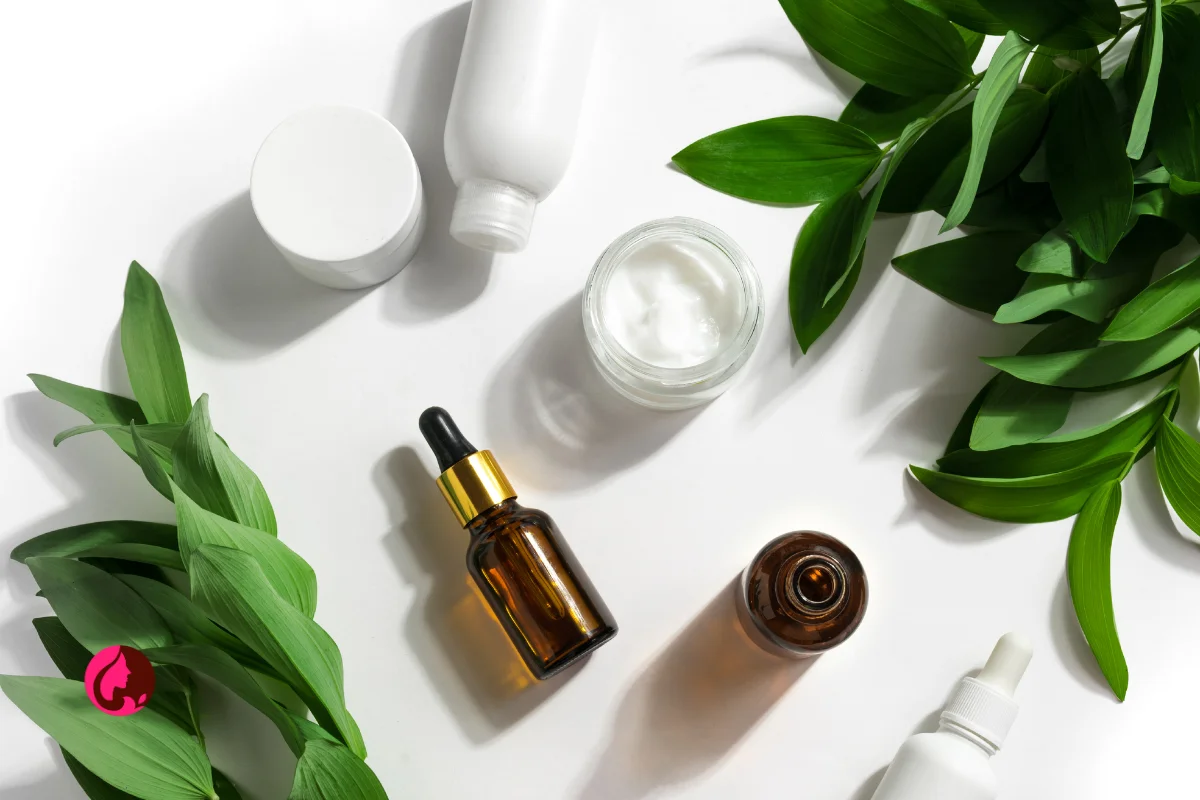
Products described as natural, organic or suitable for sensitive skin can still cause reactions. Fragrance-free is generally preferable to merely unscented: the latter may contain masking fragrance.
Morning routine: cleanse, moisturize and protect
Cleanse gently with lukewarm water if needed; some individuals tolerate a simple water rinse in the morning. Apply a comfortable moisturizer to slightly damp skin, then use adequate broad-spectrum SPF 30+ sunscreen when exposed to UV. Shade and protective clothing add protection.
If a sunscreen stings, a fragrance-free formula using only zinc oxide or titanium dioxide may be better tolerated by some people. No formula is guaranteed reaction-free. Outdoors, reapply about every two hours and after swimming or sweating according to the product directions.
Evening routine: remove irritants and support the barrier
Remove makeup or water-resistant products with a gentle tolerated cleanser, wash without scrubbing and pat dry. Follow with a simple compatible moisturizer. If a clinician has prescribed topical treatment, follow their instructions about application order and timing.
Nighttime toner, exfoliating masks, dedicated night creams and eye creams are not universal requirements. Avoid adding several unfamiliar serums when your skin is already burning or inflamed.
How to choose a cleanser
Look for a mild, fragrance-free cleanser without abrasive grains or unnecessary exfoliating actives. Gel, cream and foam textures can each work—or irritate—depending on the entire formulation. Very hot water, cleansing brushes and excessive washing can worsen symptoms.

Pores do not require repeated cleansing to ‘breathe’. Persistent tightness after washing suggests the formula or frequency may need adjustment. See Redika’s dry skin routine for a related approach.
Moisturizers and skin-barrier support
Depending on their formulation, glycerin attracts water while ceramides, petrolatum and emollients can help reduce moisture loss and improve comfort. For significant dryness, a bland cream or ointment may be preferable to a very lightweight lotion. Even a seemingly mild moisturizer may contain an ingredient that bothers a particular individual.
Apply moisturizer after washing while skin is slightly damp and as often as your skin needs it. An expensive hyaluronic-acid serum is not inherently better than an effective simple moisturizer.
How to test a new skincare product
The American Academy of Dermatology suggests trying a new product on a small area, such as the underside of the arm, with normal use for around 7 to 10 days to watch for delayed reactions. A rinse-off cleanser must be washed off after its normal short contact time rather than left on continuously.
This is a precaution, not a guarantee against allergy or a replacement for medical patch testing. Stop if you develop itching, swelling, burning or a rash, and seek advice for severe reactions or recurring unexplained symptoms.
Mineral versus chemical sunscreen
It is inaccurate to label all organic (‘chemical’) UV filters dangerous for sensitive skin or all mineral products universally harmless. However, the AAD suggests zinc oxide or titanium dioxide-only formulas for people with rosacea or those who experience stinging with sunscreen. Fragrance and overall tolerance also matter.
Choose broad-spectrum SPF 30 or higher. Tinted mineral sunscreen may help reduce visible white cast on deeper skin tones. A higher SPF is not itself evidence a sunscreen damages sensitive skin.
Shaving, facial hair and removing makeup
The basic routine is shared by all genders. Facial shaving, beard grooming, waxing and makeup use are specific sources of exposure or friction. Use a suitable razor gently, shave in the direction of hair growth and avoid heavily fragranced or stinging aftershaves.

Remove long-wear makeup without aggressive rubbing and use a suitable remover when needed. Separate elaborate gender-specific routines are unnecessary for most people.
Which active ingredients should be paused during irritation?
During a significant flare, abrasive scrubs, at-home peels, essential oils, unnecessary retinoids and several new acid serums may aggravate the barrier. Vitamin C, AHAs and BHAs can have valid uses, but combining new actives during active inflammation is unwise.
Do not abruptly alter prescribed medicine without medical advice. Steroid use around the mouth can aggravate some conditions such as perioral dermatitis, which needs clinician assessment. Natural aloe or chamomile can also trigger reactions in some people.
Does sensitive skin need weekly exfoliation?
No. There is no medically required weekly or biweekly scrub or acid-mask schedule for reactive skin. When acne, texture or pigmentation calls for a targeted ingredient, control active irritation first and seek advice on safe frequency.
Over-exfoliation can worsen inflammation and post-inflammatory pigmentation. Redika’s azelaic acid guide explains a sometimes useful treatment ingredient that can itself sting initially.
Summer routine and heat
Heat, sweat, swimming and sunlight may provoke symptoms in some people. Gentle cleansing after substantial sweating, a comfortable moisturizer texture, shade and compatible sunscreen can help reduce avoidable irritation.
Summer does not automatically call for chemical peeling. If a product becomes irritating during hot weather, review its exact ingredients and the circumstances of use.
Autumn and winter adjustments
Cold wind, low humidity and indoor heating can cause more tightness and flaking. Keep showers brief and warm rather than hot, and consider a thicker fragrance-free cream or ointment when needed. Apply moisturizer soon after washing.
Even in winter, masks and exfoliants are not compulsory. Painful cracks, recurrent rashes or ongoing intense itching may indicate eczema or another condition requiring assessment.
Spring and environmental triggers
Seasonal shifts, increased time outside and environmental exposures can affect some people. Not every springtime rash is necessarily a pollen allergy. Keep tolerated products consistent instead of changing the entire routine as the season changes.
Adequate drinking water matters for general health but does not replace topical emollients or treat contact dermatitis. Get medical advice for repeated swelling, intense itching or persistent symptoms.
When to see a dermatologist or seek urgent help
Persistent eczema-like patches, scaling, painful fissures, discharge, a rash around the mouth or lasting redness merit an accurate diagnosis. A dermatologist may distinguish contact allergy, irritation, rosacea and other conditions and recommend targeted treatment.
Rapid swelling of the lips or tongue, wheezing or difficulty breathing after a product needs emergency medical care. For recurring symptoms, changing products endlessly is not a substitute for clinical evaluation.
Common mistakes and a lower-risk starting plan
Common mistakes include introducing multiple products simultaneously, assuming natural equals safe, routinely exfoliating a damaged barrier, excessive cleansing and using topical steroids without professional guidance. Start with a few well-tolerated basics and add only one targeted product at a time once the skin is stable.
Read Redika’s complete skin care routine guide and normal skin routine for comparisons. A good routine should not produce persistent stinging.
Sensitive skin: morning versus evening routine
| Step | Morning | Evening | Precaution |
|---|---|---|---|
| Cleansing | Water or a mild wash as needed | Remove makeup, then cleanse gently | Avoid harsh friction and fragrance |
| Prescription treatment | Only if specifically indicated | Follow clinician’s instructions | Do not add new actives during a flare |
| Moisturizer | Comfortable fragrance-free cream or lotion | Apply a compatible moisturizer | Best on slightly damp skin |
| Sunscreen | Broad-spectrum SPF 30+ with UV exposure | Usually unnecessary | Mineral-only filters may suit some people |
| Toner and mask | Not essential | Not essential | Avoid when irritation is active |
| Exfoliant | No mandatory schedule | Only for a justified goal | May worsen stinging and dryness |
Frequently asked questions about sensitive skin care
What is a suitable sensitive skin routine?
A mild cleanser, fragrance-free moisturizer and broad-spectrum SPF 30+ sun protection form a sensible foundation.
Is sensitive skin always dry?
No. Reactive skin may also be oily, normal or combination, so sensitivity is not the same as skin type.
How do I test a new product?
Try a small area under normal-use conditions for roughly 7 to 10 days; wash off rinse-off cleansers as directed.
Is mineral sunscreen best for everyone with sensitive skin?
Some people, especially with rosacea or stinging, tolerate zinc oxide or titanium dioxide formulas better, but no formula is universally safe.
Must sensitive skin be exfoliated weekly?
No. Exfoliation is optional and can worsen irritation.
When should I see a dermatologist?
Persistent, recurrent or severe inflammation, painful cracks, discharge or symptoms of eczema or rosacea deserve assessment.
Medical and dermatology references
About the author

Join the conversation
Share your experience or question with REDIKA readers.
Your email stays private. Please avoid sharing personal or sensitive details.


