Home / Editorial guide


Buying makeup and skincare in bulk makes financial sense only when unit discounts are balanced against authentic and traceable stock, shelf life, shipping, storage and slow-moving inventory. Paying less per unit is not the same as earning more profit: products may expire before sale, shades may remain unsold and freight or returns can erase a discount. For beauty retailers, salons and online sellers, the starting point should be supplier due diligence, a representative sample and a realistic landed-cost calculation—not claims that wholesale prices are automatically half of retail.
Who benefits from purchasing cosmetics wholesale?
Beauty shops, authorized healthcare retailers, salons and ecommerce businesses may buy repeatedly from distributors to maintain a dependable product range. Demand patterns differ by category: foundation requires shade planning, eye makeup may have stricter hygiene concerns, and skincare ranges should reflect the intended customer base.
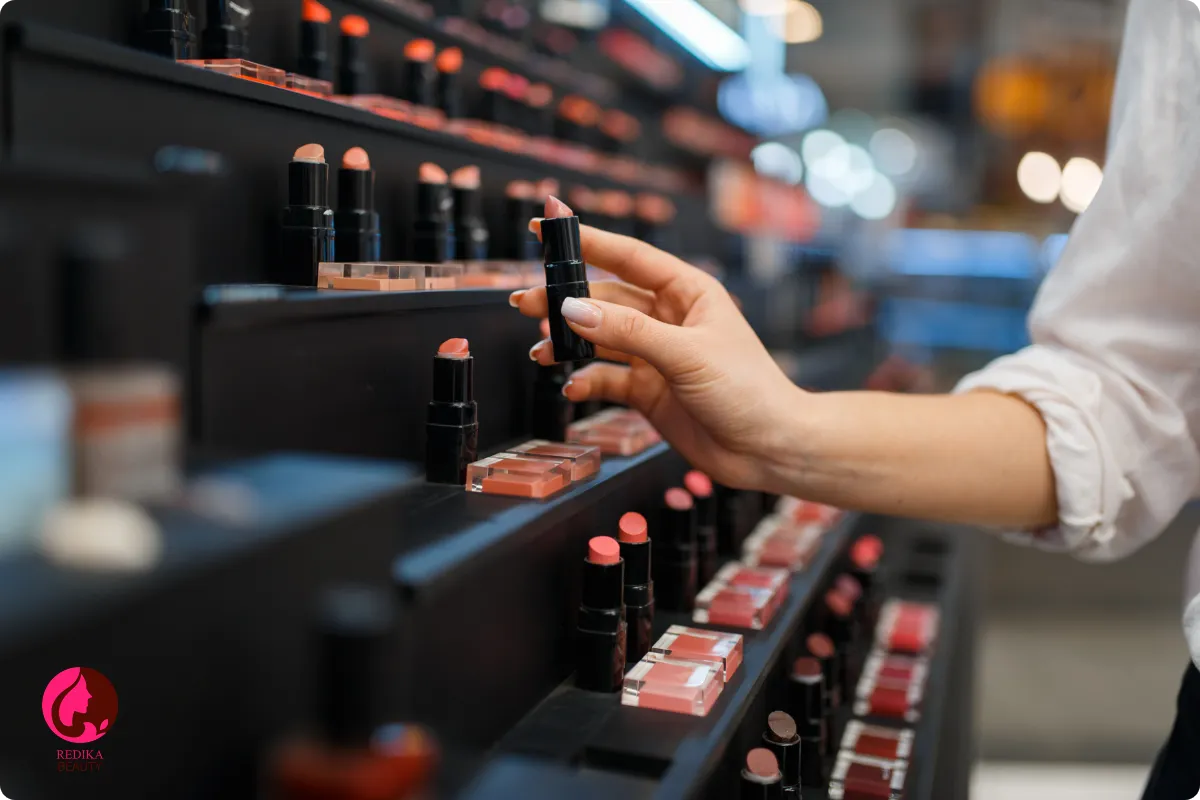
Begin with actual sales data or a modest pilot order. Buying a multi-pack for personal use only pays off if the contents can be used safely within their usable life and the savings outweigh storage and waste.
Why sourcing and regulatory compliance come first
Cosmetic products touch skin, eyes and lips, making ingredient declarations, warnings, storage conditions and a traceable business responsible for the product important. Unverifiable stock may expose the seller to complaints, product recalls or lost customer trust even if the packaging appears convincing.

In the European Union, Cosmetics Regulation EC 1223/2009 sets obligations for distributors covering specific labeling checks, storage and cooperation with supply-chain traceability. This is an EU example, not a universal legal rule. Always check the requirements of the country where you will sell.
How to vet a wholesale cosmetics supplier
Verify the legal business identity, operating address, contact channels, invoice details, product sourcing and any locally relevant trading authorizations. Ask for a sample invoice, confirm whether a brand has official distributors and, when practical, inspect stock remotely or in person. Request a small initial consignment before expanding volume.
A large catalog, follower count or attractive online badge does not establish authenticity. Look for consistent paperwork, customer support when goods are wrong, clear dispatch commitments and a verifiable channel for paying the actual contracting party.
Check samples, labels and regional product variants
Before committing to large quantities, check a representative SKU sample or clear photos showing product name, exact size, shade, INCI ingredients, batch/lot identification, relevant dates or PAO symbols, seller or responsible-party details and country-of-origin labeling when required. Compare with official product information from the corresponding market.
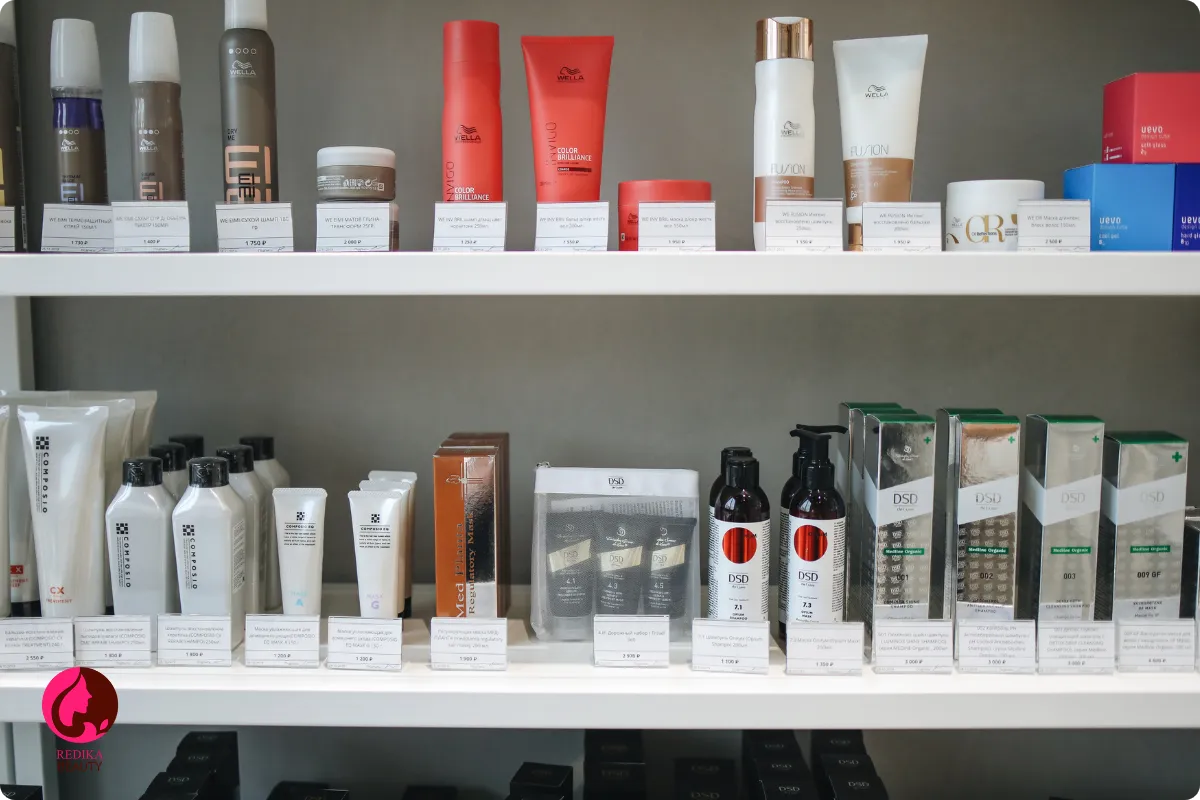
Some legitimate brands vary formulations and package designs across countries. GS1 barcode prefixes do not disclose manufacturing country and batch numbers can be copied, so neither is a standalone proof of authenticity. Redika’s genuine cosmetics verification guide covers these limits.
MOQ, case packs and mixed-shade orders
Minimum order quantity or MOQ may apply per SKU, shade, carton or total invoice. ‘What is the minimum?’ is incomplete without asking for the unit. Lipstick and foundation packs can also include preset assortments with more slow-selling colors than your shop needs.

Get carton counts, shade breakdown, split-case options, replacement rules and actual stock availability in writing. A pilot order of a few stronger-selling SKUs is usually safer than committing to a large unsorted selection.
Calculate landed cost and gross margin correctly
Wholesale discounts do not follow a universal percentage. True per-unit landed cost can include purchase price, freight, packaging, handling, payment fees, applicable duties or taxes, import clearance where relevant, damaged units and expected return losses. These costs vary by jurisdiction and commercial terms.

Illustrative example in any currency: purchasing one item for 200 plus 30 in allocable charges gives a cost of 230. Selling it for 300 yields a gross profit of 70 before operating overhead. Gross margin is 70/300, or about 23.3%; markup on cost is 70/230, about 30.4%. They are not the same calculation.
Shelf life, batch records and FEFO stock rotation
Makeup and skincare are not indefinitely stable. The FDA notes that heat, humidity, light and storage can affect product condition. Requirements for printed expiration dates vary: US cosmetics do not all require one, while other categories and regions may have different rules. An after-opening period is also not identical to unopened shelf life.
Record incoming batches, any applicable expiry or minimum durability date, seal condition and expected sell-through time. FEFO—first expiring, first out—helps prioritize properly stored, compliant goods that will expire sooner. Do not release damaged, compromised or illegal-to-sell stock.
Shipping, warehousing and receipt inspection
Clarify who bears responsibility for freight damage, heat exposure, leaked products and missing cartons. Some formulations can separate or change smell, color or texture under inappropriate temperature or sunlight. Check physical carton counts and item assortments against the invoice on arrival.

Photograph boxes and lot codes, inspect seals and damage, count units and register discrepancies within the contractually agreed period. Use the manufacturer’s instructions whenever temperature or handling conditions are specified.
Contracts, invoices and commercial return rights
Business-to-business purchases do not necessarily carry the same cooling-off and return rights as consumer orders. Local commercial law and the signed contract govern much of the process. Define buyer and seller, SKU specifications, ordered quantity, prices, payment, shipment, transfer of risk, shortage reporting, defects, recalls and remedies.
Replace verbal promises such as ‘everything can be exchanged’ with written conditions. Specify who pays return freight, when credits or replacements are issued and what evidence is needed. Cross-border orders also require clear allocation of shipping and customs responsibility.
Local permits, labels and online trust seals
Check any relevant trade registration, product registration, import authorization, language labeling and responsible-person requirements through official local sources. An online trust seal or Google ranking is not a substitute for checking product-level documentation. Rules differ between the EU, Türkiye, the Gulf and other markets.

Do not mistake a general certification or manufacturer claim for permission to sell every formulation in your country. Confirm local market requirements before importing or distributing a product line.
Choosing the first assortment and minimizing dead stock
Use actual demand to select an assortment rather than allocating equal quantities to every shade or brand. Fast-selling essentials, complementary products and limited trial SKUs can make cash flow more manageable. Track sell-through, gross margin, customer returns and weeks of stock on hand.
If you have no sales history, test a small range, record results and reorder what moves. Offering hundreds of products does not make a distributor more legitimate or a retailer automatically successful.
A final prepayment wholesale checklist
Before transferring funds, confirm seller identity, quotation and invoice, source and exact product identifiers, batch or durability information, market-compliant labels, realistic landed cost, quantity per shade, delivery window, payment details and procedures for shortage or damage. Reduce the order or pause if material questions remain unanswered.
For channel and payment considerations see Redika’s online beauty shopping guide. Strong purchasing decisions combine verifiable documents, commercial math and enforceable arrangements.
Wholesale supplier due-diligence checklist
| Area | Proof or question | Warning sign |
|---|---|---|
| Source and authenticity | Invoices, supply chain, exact SKUs | Unverifiable origin |
| MOQ and shade mix | Units per case, shade breakdown | Forced slow-selling assortment |
| Shelf life | Batch records, durability, storage | Short selling window |
| Landed cost | Product, freight, fees, loss allowance | Only the discount is discussed |
| Contract and returns | Defects, shortages, recalls, deadlines | Verbal promises only |
| Delivery | Tracking, carton and batch inspection | No documented reconciliation |
Frequently asked questions about wholesale cosmetics
Does buying cosmetics wholesale always increase profit?
No. Profit depends on real landed cost, sell-through, remaining shelf life, damage and return rates.
What does MOQ mean in cosmetic distribution?
It is the minimum quantity imposed by the supplier, potentially per SKU, shade, carton or order. Always confirm the unit.
How can I verify a wholesale makeup shipment?
Review supplier records, invoices, market labels, lots, official brand details and traceability together. A barcode alone is not enough.
What stock rotation method suits dated cosmetics?
FEFO tracks batches and prioritizes compliant stock with the earliest applicable expiry or durability date.
Do wholesale buyers have the same return rights as consumers?
Not necessarily. B2B rights depend on local commercial law and contract terms. Put defect and shortage remedies in writing.
Official sources and regulatory references
About the author

Join the conversation
Share your experience or question with REDIKA readers.
Your email stays private. Please avoid sharing personal or sensitive details.


