Home / Editorial guide


At a glance: protecting your mental health on social media
The short answer: Set intentional screen-time limits, curate what you see, use mute or block when needed, and make room for offline life. These boundaries can reduce unhelpful comparison and fear of missing out (FOMO) without requiring you to abandon social media.
Five boundaries worth trying
- Planned time: Try one or two short checking windows rather than constantly opening apps. Thirty to sixty minutes is an example to test, not a universal medical target.
- Keep the bed screen-free: Put social media away before sleep; experiment with an hour if that suits your routine.
- Clean up your feed: Mute or unfollow accounts that consistently trigger comparison or distress.
- Protect yourself: Block persistent harassment and report harmful behaviour.
- Take offline breaks: Schedule a screen-free half-day or another manageable interval each week.
A practical ten-minute reset
- Turn off non-essential notifications.
- Mute five accounts that leave you feeling worse.
- Set an app timer or two planned check-in windows.
- Choose a separate way for close contacts to reach you about urgent matters.
Quick questions
What are possible warning signs? Repeated anxiety after scrolling, sleep disruption, compulsive checking, low self-esteem or difficulty focusing.
How can I handle FOMO? Choose when to check updates, reduce comparison triggers and remember that posts show selected moments.
Mute, unfollow or block? Mute is useful for a low-level trigger; block and report harassment or ongoing abuse.
Is there a perfect daily time limit? No single limit fits everyone. Consider whether your use interferes with sleep, work, relationships or wellbeing.
How do boundaries stick? Start small, set recurring rules and review your feed regularly.
Social media can help us learn, stay connected and share our lives. It can also make it harder to switch off. A few minutes spent checking messages may turn into a long session of scrolling through carefully selected images, arguments or alarming headlines. The aim of good digital mental health is not to treat every platform as harmful. It is to notice how online habits affect your mood, confidence, attention and sleep, and to make deliberate choices that protect them.
Social media and self-image: how the internet shapes identity
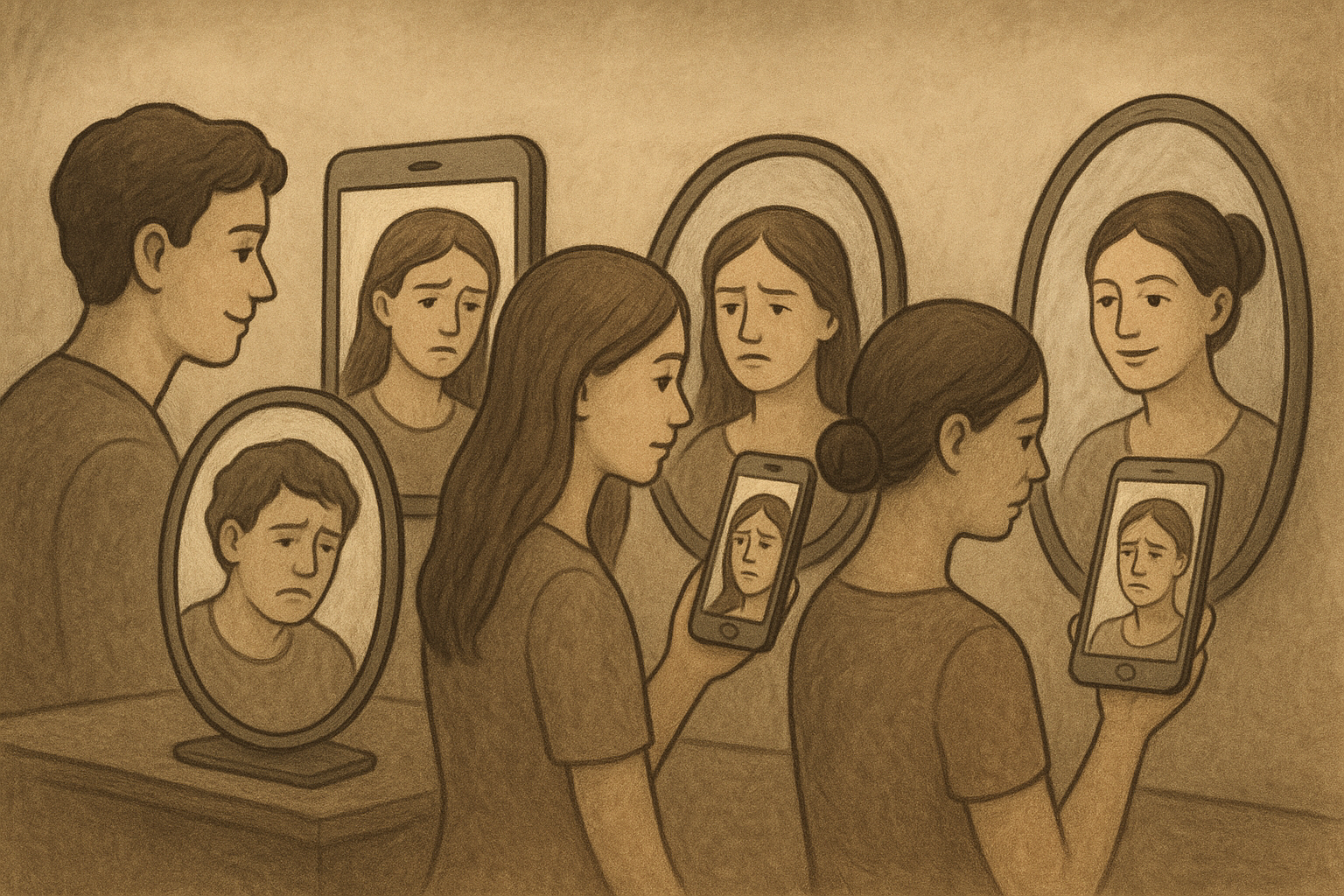
Online profiles are incomplete portraits of real lives. People choose what to share and what to leave out. When we forget this, we may measure our ordinary days against somebody else’s highlights. Understanding this difference is the first step towards a healthier relationship with our feeds.
Filters and idealised images: the visual comparison trap
Instagram, TikTok and other image-heavy platforms contain polished photographs, carefully selected angles and digital filters. Seeing idealised faces, bodies or lifestyles repeatedly may make some people less satisfied with their own appearance. This does not happen to everybody, and a single post does not tell us how someone feels. Rather than assuming each picture represents ordinary life, pay attention to how it was created. Follow accounts that share realistic perspectives as well as beautiful moments, and take breaks from content that makes you feel inadequate. Unverified percentage claims sometimes circulated about teenagers and social media should not be treated as established findings without a traceable study.
Digital identity versus everyday identity
The person we present online may be bolder, funnier or more outgoing than we feel offline. Some difference is normal: a public profile is a choice, not a full psychological portrait. Problems arise when maintaining that image becomes exhausting or makes everyday life feel disappointing. Ask whether your posts reflect your values and whether you feel pressure to perform. Keeping a private journal about your online and offline experiences can help you identify patterns. Once a week, write down which interactions felt authentic and which left you drained.
Self-esteem and the comparison habit
It is easy to feel left behind when you see a friend’s promotion, holiday or celebration while you are having a difficult day. You do not need to pretend that envy never happens. Instead, recognise the feeling, notice the context and turn your attention towards goals and relationships that matter to you. Keeping a small record of personal achievements may be more useful than constantly looking for reassurance through likes. Self-worth should not depend on the performance of a post.
Comparison and FOMO: what keeps us checking?
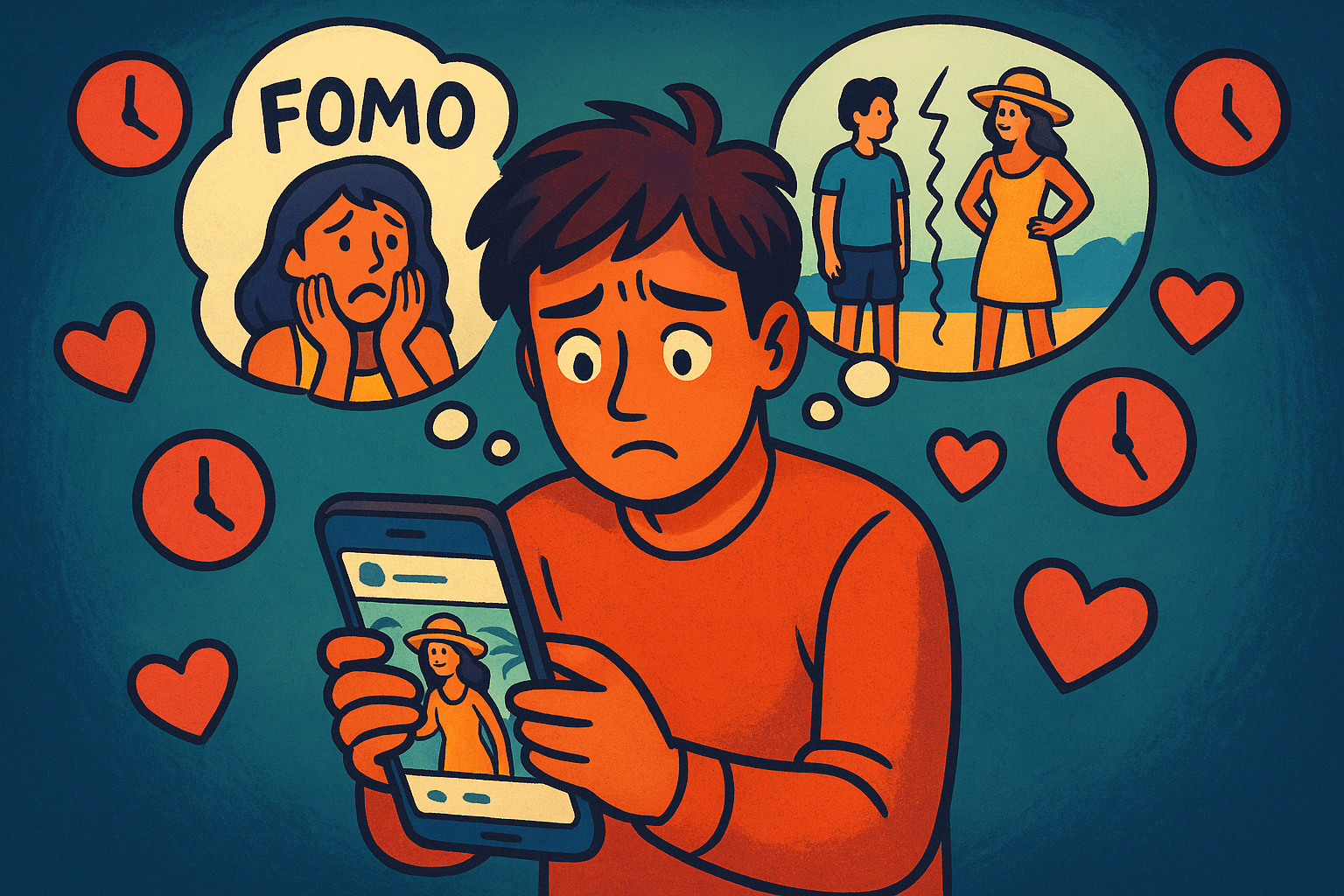
FOMO means fear of missing out: an uneasy sense that other people are enjoying experiences or opportunities you have missed. Social media can intensify that feeling because updates arrive throughout the day. Recognising the pattern allows you to respond rather than refresh the feed automatically.
Why do we compare ourselves with other people?
Belonging matters to us. When a feed is full of social gatherings or professional wins, we may mistakenly read it as proof that everyone else is happier. But posts are selected snapshots, not complete biographies. When comparison begins, ask yourself: Am I seeing the whole story or a single carefully chosen moment? You do not have to judge the person who posted it. The goal is to separate a snapshot from a fair assessment of your own life.
Practical ways to push back against feeling inadequate
Use the tools already built into your phone and apps: screen-time reminders, focus modes, notification schedules and muted accounts. Set a realistic experiment, such as two 15-minute check-ins, and adjust it to your responsibilities. Write down a few strengths or things you are learning. Replace at least part of passive scrolling with activities that matter to you, such as talking with a friend, learning a skill or moving your body. If a feed consistently leaves you distressed, unfollowing it can be a sensible boundary.
When online comparison affects daily anxiety
FOMO may appear as restlessness, repeated checking, trouble concentrating or irritation after seeing other people’s plans. Its intensity differs by person, situation and platform; broad percentages without a named survey cannot explain any individual’s experience. A useful response is to pause and ask what you actually need: company, rest, reassurance or information. A phone call or in-person conversation may meet that need better than another refresh.
Online hostility: dealing with negative comments
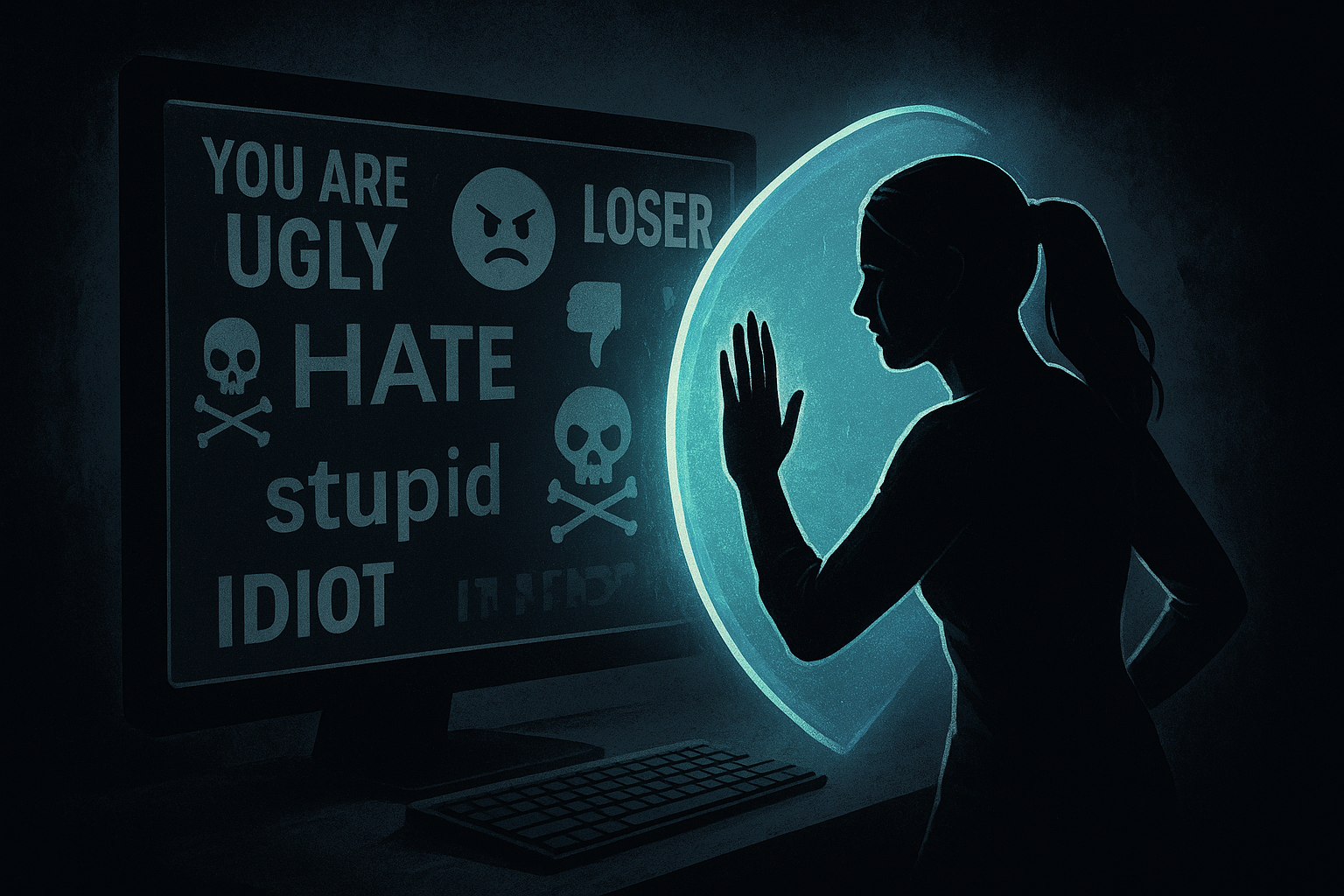
Unkind comments, ridicule and persistent online conflict can occupy our attention long after we close the app. You are not required to keep every conversation open. It helps to distinguish between respectful disagreement and repeated personal attacks, threats or harassment.
Why hostile interactions can feel so draining
When someone publicly mocks or insults us, we may replay the interaction and feel tense or upset. People respond differently; it is not accurate to diagnose someone’s stress response or hormone levels from a comment alone. Notice whether the interaction affects sleep, work or relationships. Reduce exposure when possible and ask someone you trust for perspective if you are unsure how to respond.
When to mute, unfollow, block or report
Mute is helpful when you simply need less exposure to someone else’s content. Unfollow when their updates no longer serve you. Block accounts that repeatedly cross boundaries, and report harassment, threats or impersonation through the platform’s safety tools. Consider saving evidence of serious abuse before blocking, especially if you may need to report it. Blocking is a legitimate way to manage access to your online space, not a sign that you have lost an argument.
Replacing invented stories with practical examples
Imagine a group chat in which someone repeatedly makes personal jokes at your expense. You could explain your boundary once, leave the group or stop receiving notifications. In a public thread, you could disengage and block a persistent harasser. These are illustrative situations, not testimonials from named users or professionals. The important question is whether the choice helps you feel safer and less preoccupied.
Building healthy boundaries between online and offline life
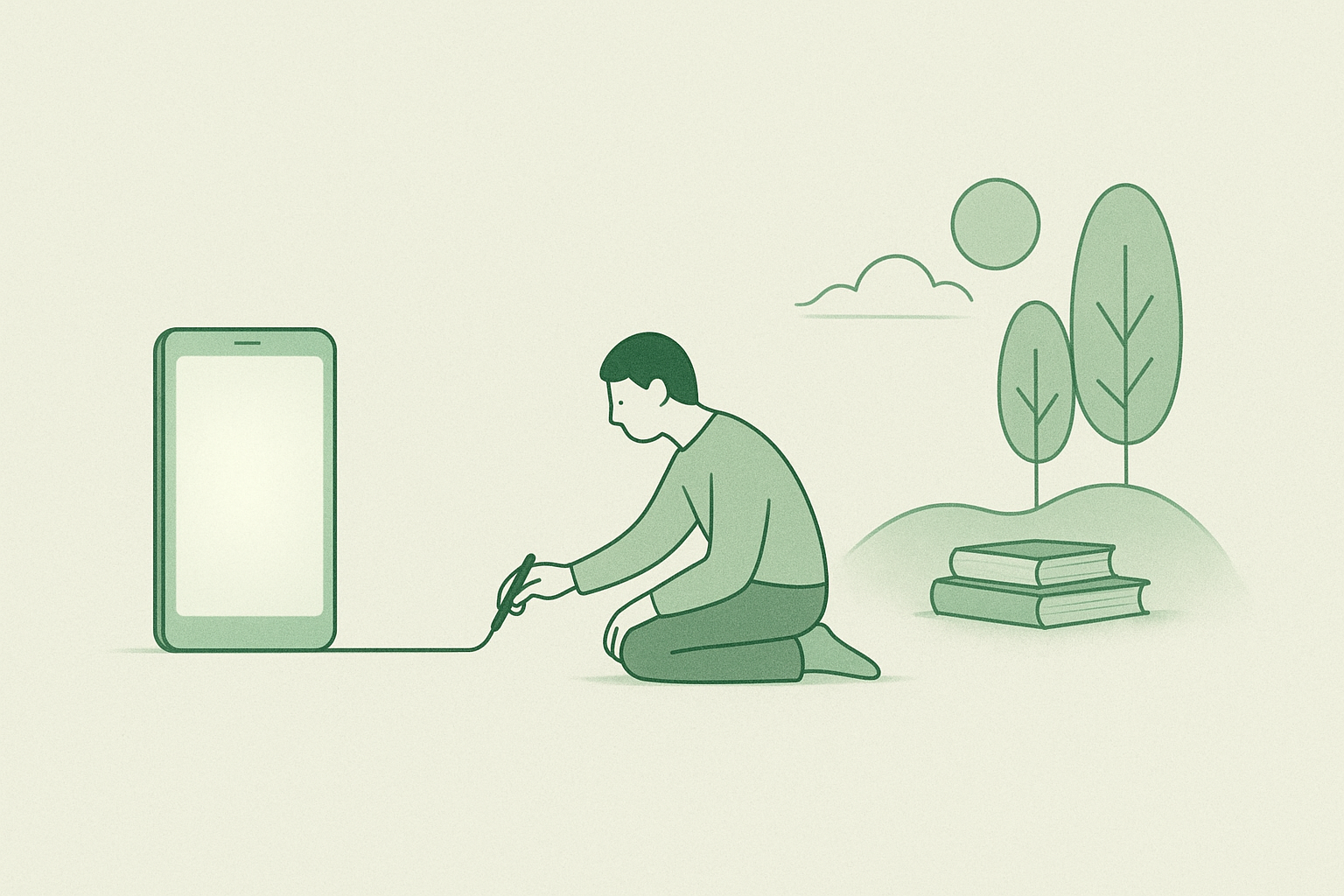
Good boundaries are specific enough to follow and flexible enough to fit your life. You may need social media for work, family or education, so a complete digital detox is not always realistic. Instead, decide which moments you want to keep free from constant updates and notifications.
Start with one manageable rule
Choose a rule that responds to a real problem. If scrolling keeps you awake, stop checking social apps before bed and charge your phone somewhere else. If work is interrupted, turn off notifications during focused tasks. If you feel pressured to reply immediately, tell close contacts when you generally check messages. A boundary works best when it is deliberate, repeatable and communicated where necessary.
Five practical digital boundaries
- Set intentional time: Plan check-in periods that suit your day instead of using a rigid rule for everyone.
- Choose your inputs: Follow informative, enjoyable and supportive accounts; reduce repeated triggers.
- Post thoughtfully: Before sharing, consider whether the post matches your values and privacy needs.
- Leave space offline: Take a regular break from non-essential apps.
- Stay connected in real life: Talk with trusted people when online experiences trouble you.
These practices can support wellbeing, but none is a guarantee against anxiety or other mental health concerns.
Can a social media break really help?
A break can give you time to notice habits and return to activities that have been pushed aside. Its effect varies, and dramatic claims about fixed percentage increases in happiness require reliable research before they can be repeated. Try a phone-free walk, an evening without the feed or a weekend morning offline. Afterwards, consider what changed in your mood and attention. For related topics, explore Redika’s guides on digital addiction and social media habits.
Conclusion: make your online life work for you
A healthier relationship with social media begins with observation, not blame. Notice the difference between curated images and everyday life, make comparison and FOMO easier to manage, protect yourself from hostility, and create boundaries that leave room for sleep, work and relationships. You do not have to change everything at once. Choose one small rule, practise it for a week, and review whether it genuinely helps. If online experiences cause persistent distress or interfere with everyday functioning, a qualified mental health professional can offer personalised support.
Frequently asked questions
1. What does mental wellbeing on social media mean?
It means using online spaces in ways that do not routinely undermine your mood, concentration, self-esteem, sleep or important relationships. It is not about feeling happy after every post; it is about recognising patterns and having choices.
2. How can I tell whether social media is affecting my mental health?
Look for repeated patterns: scrolling longer than intended, ongoing comparison, irritability, difficulty concentrating, poor sleep, compulsively checking alerts or feeling low after using particular apps. If those effects persist, review your habits and consider professional advice when needed.
3. What helps with FOMO and comparison in everyday life?
- Pick specific times to check the apps rather than opening them whenever you feel uneasy.
- Mute accounts that repeatedly trigger comparison and seek a more balanced mix of content.
- Ask yourself whether a post represents a complete life or a selected moment.
4. When should I mute, unfollow or block someone?
Mute when you want a quieter feed, unfollow when content no longer helps you, and block or report accounts involved in ongoing harassment, threats or humiliating behaviour. You can protect your space without defending your decision publicly.
5. Which online boundaries are easiest to maintain?
- Keep social apps out of your bedtime routine.
- Set predictable checking windows.
- Turn off avoidable notifications.
- Review your follows and feeds monthly.
- Protect a regular stretch of time for offline activities.
About the author

Join the conversation
Share your experience or question with REDIKA readers.
Your email stays private. Please avoid sharing personal or sensitive details.