


Article Summary Video
If you have been scrolling through Instagram and TikTok lately, you have likely encountered glamorous narratives: “A few drops/particles of psychedelics wiped out my anxiety,” “My focus became laser-sharp,” “My depression was cured.” They call it microdosing; something that appears “low-risk” on the surface because it “doesn’t cause hallucinations.”
But this calm appearance can be the most dangerous part of the story: When science has not yet provided a definitive answer, social media is prescribing solutions.
Important Warning: This article takes a 100% cautionary approach and does not recommend or teach any form of self-administration. If you suffer from anxiety or depression, the safe and scientific path is to consult a specialist.
60-Second Summary
Microdosing means consuming “very small amounts” of psychedelic substances in the hope of improving mood, focus, or anxiety—without experiencing hallucinations.
The best controlled evidence to date suggests that many of the reported “benefits” are likely a placebo effect.
Even in double-blind studies, noticeable subjective effects are sometimes observed, but sustained improvement in mood/creativity has not been proven, and there are even reports of mild cognitive impairment.
Real risks include worsening anxiety, insomnia, exacerbation of psychiatric issues in susceptible individuals, drug interactions, substance impurity/contamination, and legal consequences.
“Truly research-based” psychedelic treatments differ from microdosing: rigorous screening, standard medical dosage, a treatment team, and a controlled environment.
What is a microdose?
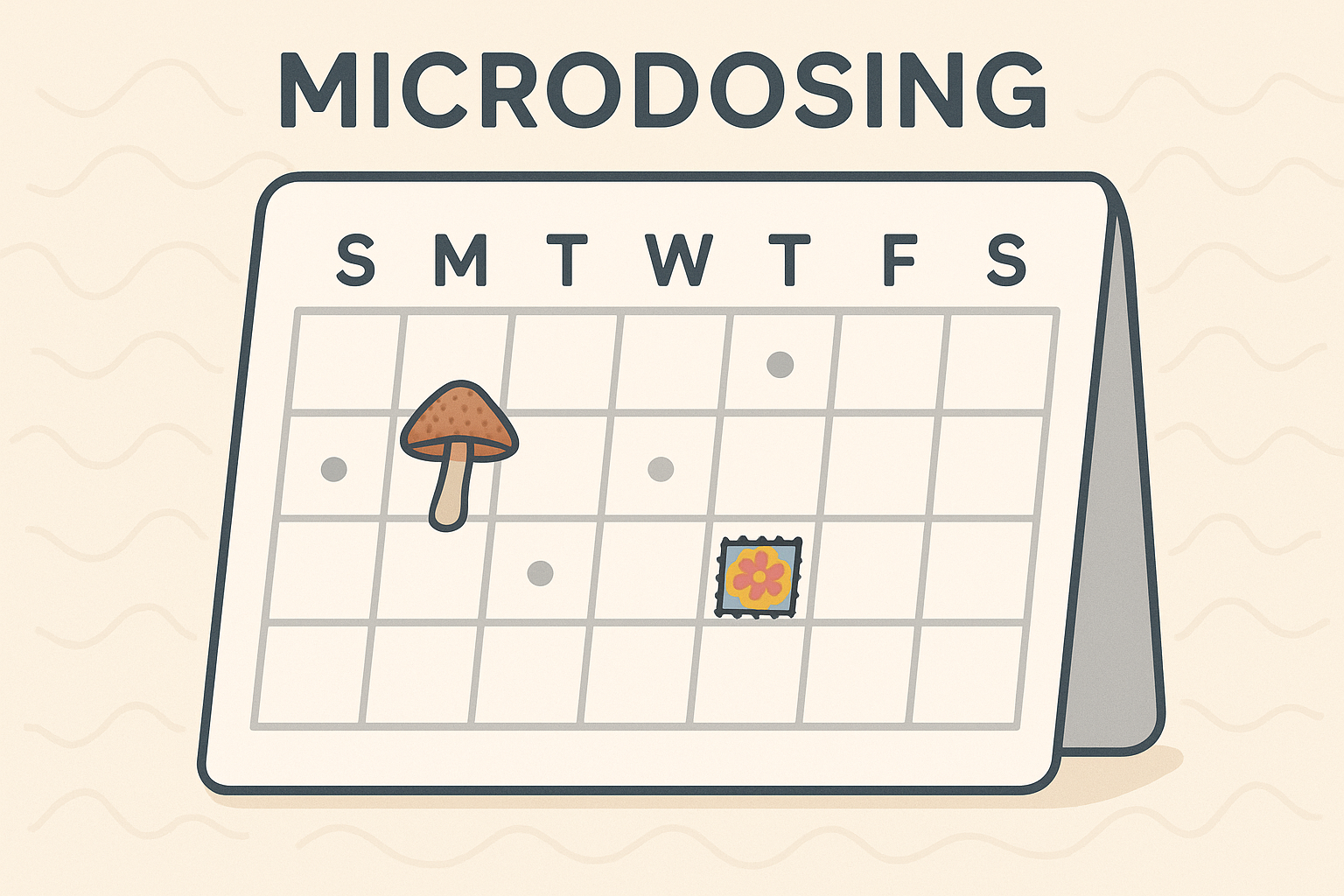
Microdosing generally means consuming very low, sub-threshold amounts of psychedelic substances—in a way that the individual expects it to “work” but not “get out of control.” Proponents claim this can:
Reduce anxiety
Improve mood
Increase focus and creativity
The problem is that a large portion of these claims relies on anecdotal experiences; that is, individual stories without scientific control.
Why did this trend go viral so quickly?
Mental health trends on social media usually follow a repetitive path:
An engaging narrative (“a quick fix”)
A few highly-liked personal experiences
An algorithm that amplifies emotional content
Fading warnings and inflated promises
Especially when collective anxiety rises, people become more sensitive to “instant solutions.” This environment has caused microdosing to transform from a fringe topic into an online identity.
What does science say today? (Not what the trend says)
1) The “placebo” effect is very prominent in microdosing
One of the most famous studies used a self-blinding model to isolate the suggestion effect, and the result was that a large portion of the reported benefits could be explained by placebo.
2) Double-blind trials: Big benefits, small evidence
A double-blind study on microdosing psilocybin mushrooms showed:
It may produce noticeable subjective effects and even changes in EEG,
but strong evidence for increased well-being, creativity, and cognitive function was not seen,
and some small changes toward mild cognitive impairment were reported.
Simple translation: “I feel better” does not necessarily mean “I am actually cured.”
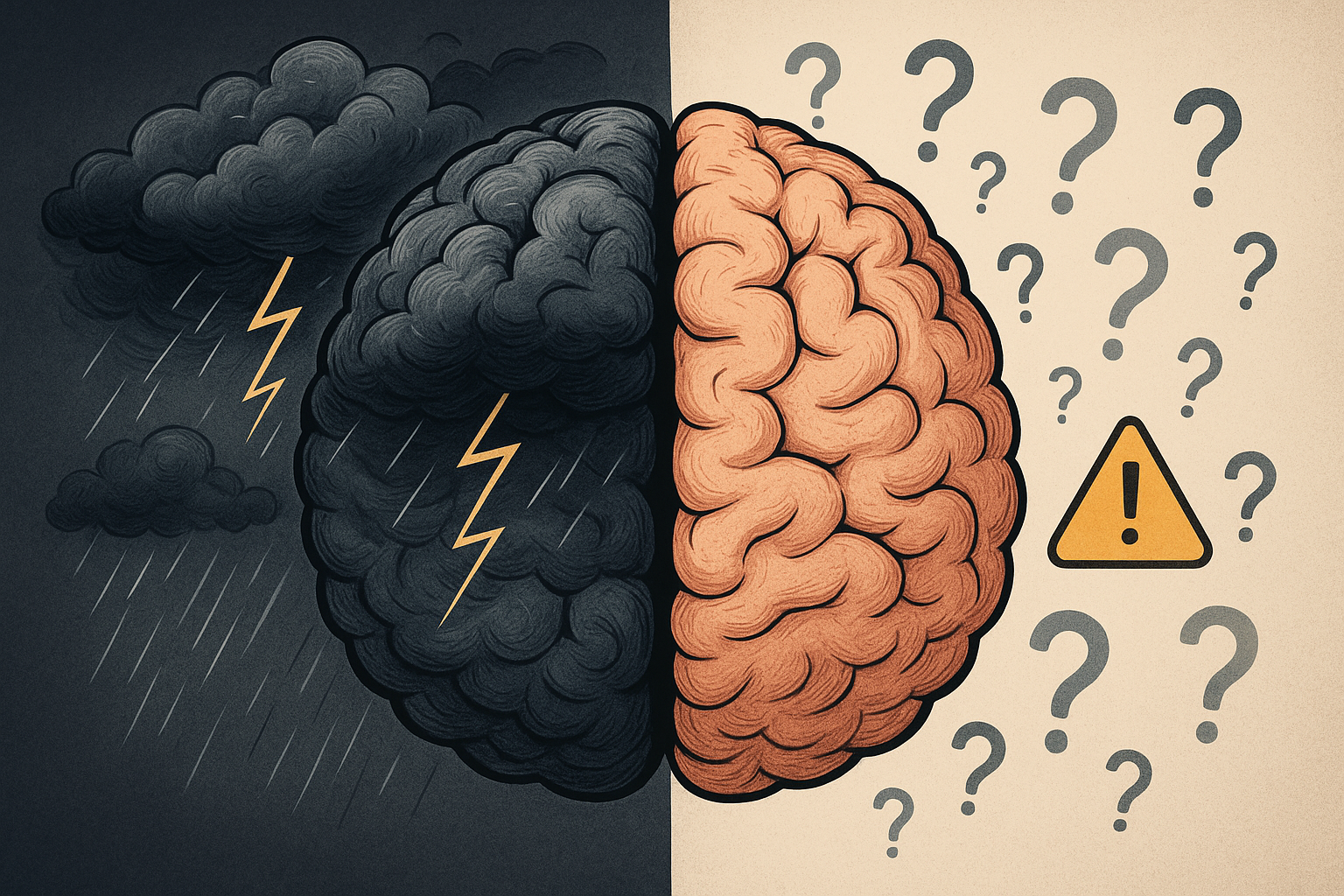
An important misunderstanding: “Microdose” is not the same as “psychedelic therapy”
When psychedelic treatments are discussed in scientific literature, it usually refers to supervised psychedelic therapy—not self-administration.
For example, in clinical research on psilocybin for depression:
Rigorous screening is performed (e.g., excluding individuals with psychosis risk or specific conditions),
psychotherapeutic support is provided,
a controlled environment and clinical follow-up are maintained.
Confusing these two worlds is exactly the error that social media content creators make.
Real risks that are less visible
1) Worsening anxiety and insomnia
Even if someone is seeking to reduce anxiety, experiencing increased anxiety, restlessness, or sleep disturbances can occur—especially in sensitive or high-stress individuals.
2) Psychiatric risk for susceptible individuals
Individuals with a family or personal history of certain psychiatric disorders may be more vulnerable. In medicine, this “risk” is no joke; because the consequences can be serious.
3) Impurity and uncertainty in composition/dosage
When the substance is obtained through non-medical channels, quality control loses its meaning. This single point can multiply the risk.
4) Legal consequences
In many countries, psychedelic substances remain illegal. Entering this space is not just a health issue; it is also a legal risk.
5) Increased poisonings and calls to poison control centers
Media and research reports have shown that as trends grow, calls/visits related to psilocybin exposure have also increased.
Legal and medical status worldwide (very brief and practical)

Australia: Since July 1, 2023, under strict conditions, some “authorized” psychiatrists can prescribe for specific cases (such as PTSD with MDMA and treatment-resistant depression with psilocybin)—not for recreational use or social media trends.
Oregon (USA): A psilocybin services program has been established with a licensing framework and supervised centers.
Important conclusion: Even in places where the “door” has opened slightly, the path is controlled, not self-medication.
The vital difference between scientific treatment and trendy self-medication
Scientific psychedelic treatment = screening + treatment team + controlled environment + research protocol + follow-up
Self-medication with microdosing = uncertainty + psychological/physical risk + legal danger + prominent placebo effect
Conclusion: If you are looking to treat anxiety, microdosing is not a “shortcut”; it may be a “high-risk path.”
If you have anxiety, safer and truly proven paths
Psychotherapy (such as CBT): For anxiety, this is one of the scientific first-line treatments.
Regulating sleep, caffeine, light aerobic exercise: Real but gradual effect.
Medication only with a doctor’s prescription: Because selection, dosage, and interactions are vital.
If symptoms are severe (panic attacks, thoughts of self-harm, inability to function): Seek local medical services/emergency care immediately.
Conclusion
Microdosing might appear “modern” and “smart” on social media, but when it comes to anxiety and mental health, the standard must be evidence and safety, not going viral. To this moment, the best controlled data says:
A large portion of the claimed benefits could be placebo and in return, the psychological, physical, and legal risks are real.
Frequently Asked Questions
1) Does microdosing really treat anxiety?
There is no strong or definitive evidence for “treating anxiety” with microdosing. In controlled studies, many of the reported effects are explained by placebo.
2) Why do many say they feel better with microdosing?
Because individual experience can be influenced by mental expectation, suggestion, simultaneous lifestyle changes, and selection bias. These factors make the feeling of improvement seem real—even if the pure pharmacological effect is low.
3) Is microdosing “safe” because it doesn’t cause hallucinations?
No. “Low amount” is not always equal to “safe.” Risks such as insomnia, increased anxiety, drug interactions, and exacerbation of mental health problems in susceptible individuals are present, and the issue of impurity is also serious.
4) So what does psychedelic research for depression say?
Credible research is mostly about supervised treatment (not microdosing). In clinical trials of psilocybin therapy with psychotherapeutic support, antidepressant effects have been reported—but within a medical and controlled framework.
5) What is the legal status of these substances worldwide?
In most countries, they remain restricted/illegal. Even in places where changes have occurred (like Australia), the path is limited, controlled, and only for specific conditions.
Sources
nature.com
elifesciences.org
jamanetwork.com
hopkinsmedicine.org
tga.gov.au
oregon.gov
pbs.org
uvahealth.com